Great Lakes guides · WV
West Virginia Roads: Grades, Hollows and Mountain Winters
West Virginia has few straight roads. Steep grades, switchbacks, narrow hollow roads and mountain two-lanes shape everything from Charleston to Morgantown, and winter makes it harder. The picks here cover trail towns, the New River Gorge and the Huntington and Charleston commutes. Starting MSRPs are before destination and may change.
Our picks for West Virginia
Grades, Switchbacks and Brake Heat
Few states put as much road on a slope. Coming down off a ridge on US-19, I-77 or the roads around Beckley, a heavy vehicle can build up brake heat faster than a flatland driver expects. Climbing is the easy half; descending safely means using lower gears and letting the engine help slow the vehicle.
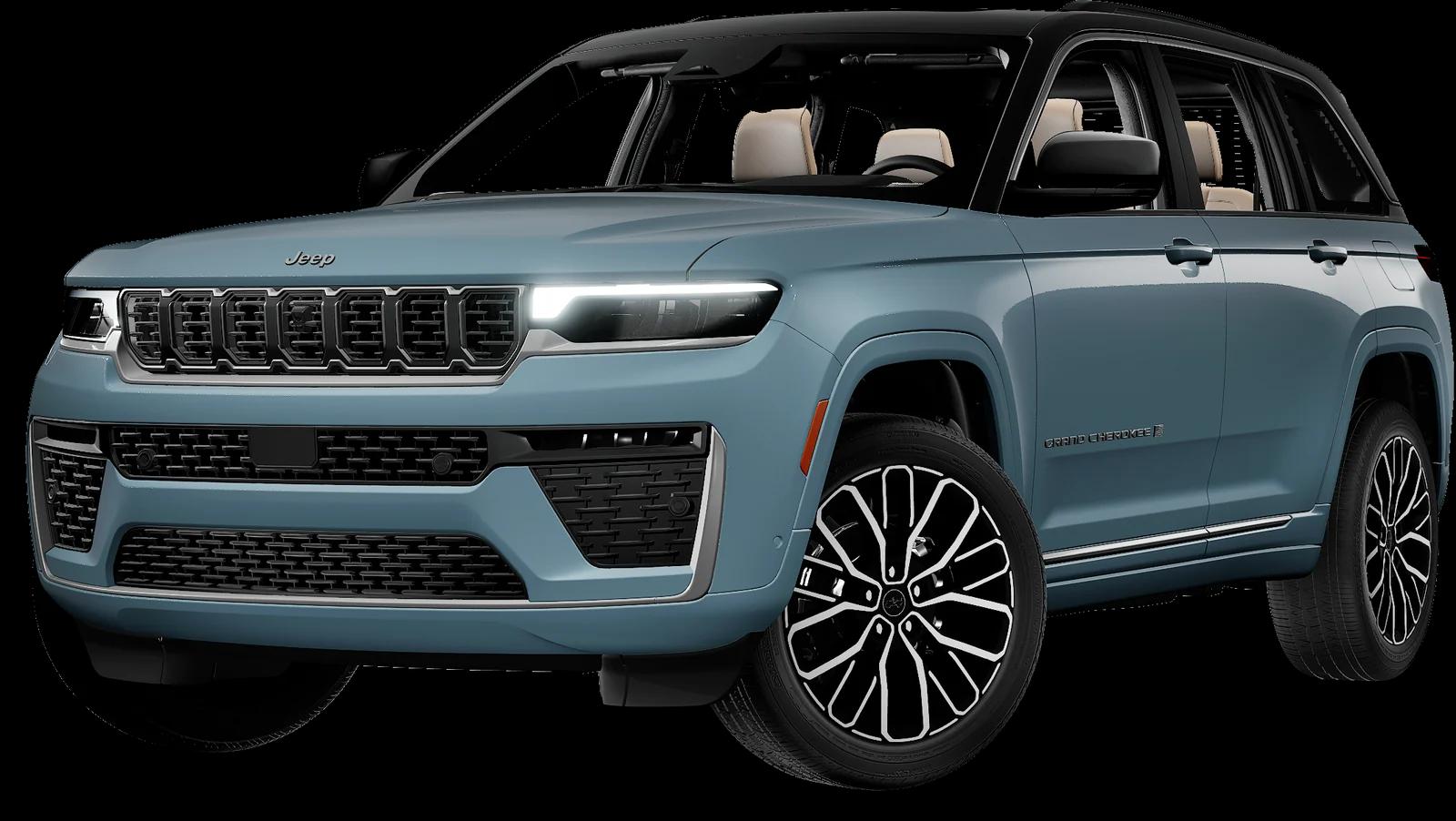
That makes engine and transmission behavior a bigger deal here than top speed. The Grand Cherokee's 8-speed automatic and 324 hp turbo four (332 lb-ft) give clean pulling power on long upgrades, and 4x4 is available throughout. The Durango's 5.7L HEMI V8 makes 360 hp and 390 lb-ft and tows up to 7,200 pounds standard, or 8,700 with Tow 'n Go. Both feel planted in curves, which counts for more than acceleration numbers on roads like these.
If you're buying a heavy truck for hauling, read the owner's manual on how the tow and downhill modes work. For West Virginia's many steep roads, the West Virginia Department of Transportation posts truck advisories and closure notices, and that is the place to check before pulling a trailer on an unfamiliar route.
Hollow Roads and One-Lane Bridges
Much of the state's housing is tucked up creek-side hollows, reached by roads that follow the water. Many are barely wide enough for two vehicles, with blind curves, one-lane bridges and washouts after heavy rain. Charleston, Huntington and the surrounding valleys pour into these, and even a quick grocery run can mean a gravel stretch.
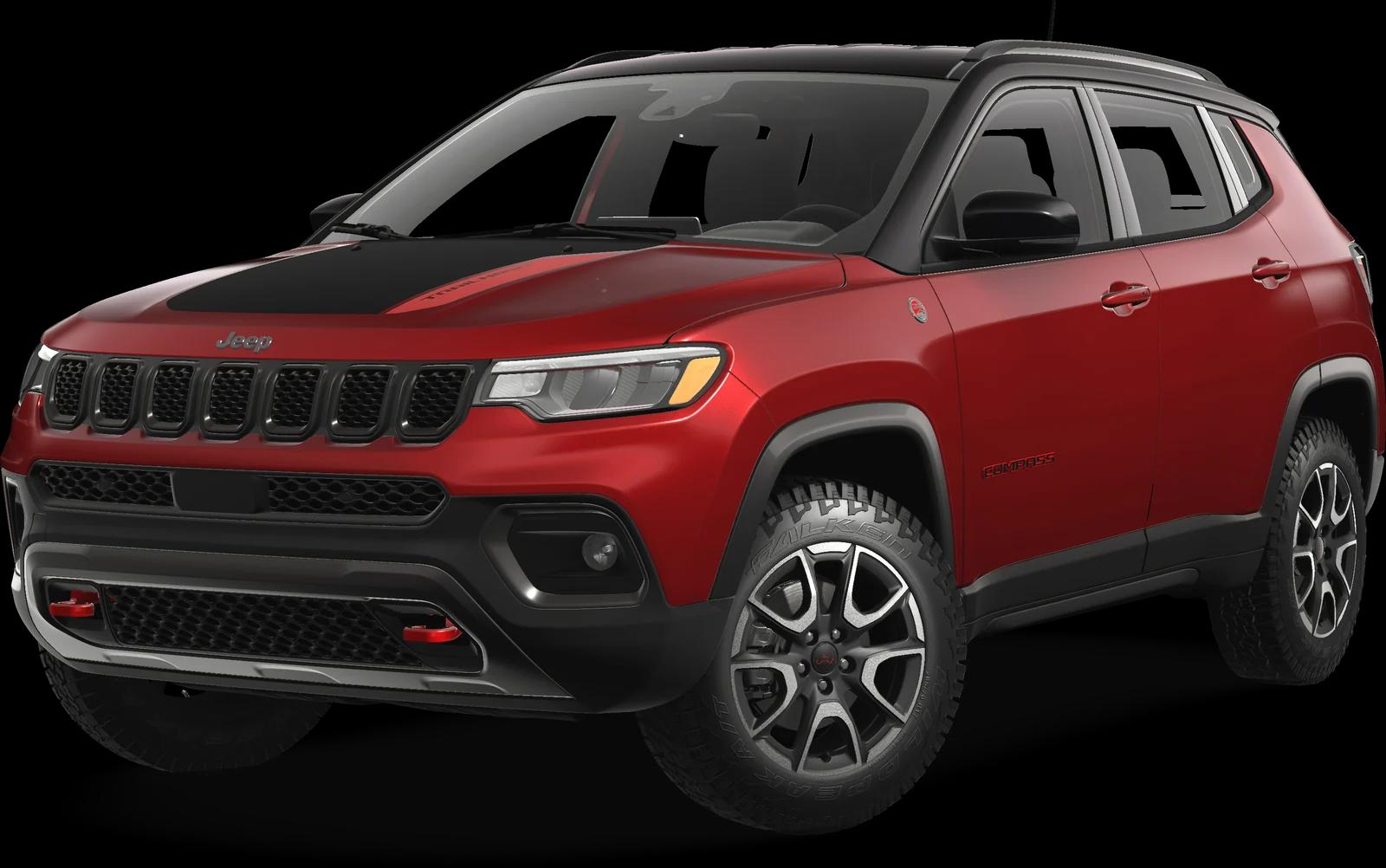
A smaller vehicle with a tight turning circle makes these roads easier. The Compass, starting at $29,990, has a 36.3-foot turning diameter, standard 4x4 and 8.1 inches of clearance, enough for gravel driveways and washboard approaches. The Cherokee hybrid, at $35,130, brings 4x4 and 9.0 inches of clearance on the Trailhawk, with a 13.7-gallon tank and Jeep's estimate of over 500 miles per tank, which means fewer trips down to the fuel station.
Bigger vehicles such as the Grand Cherokee L, at 204.9 inches long, are harder to turn around when a road dead-ends. If your driveway or hollow road is narrow, measure it before you shop.
Washouts and low-water crossings can be dangerous. When the creek is up, do not rely on a fording rating. Contact the county emergency management for current road conditions.
ATV Trail Towns and Hauling the Toys
Trail towns around Logan, Man, Gilbert and Welch draw riders from across the country for the Hatfield-McCoy trail system. Weekends mean pickups and SUVs pulling side-by-sides and ATVs on open or enclosed trailers, and motel parking lots look like a dealer lot for utility vehicles.
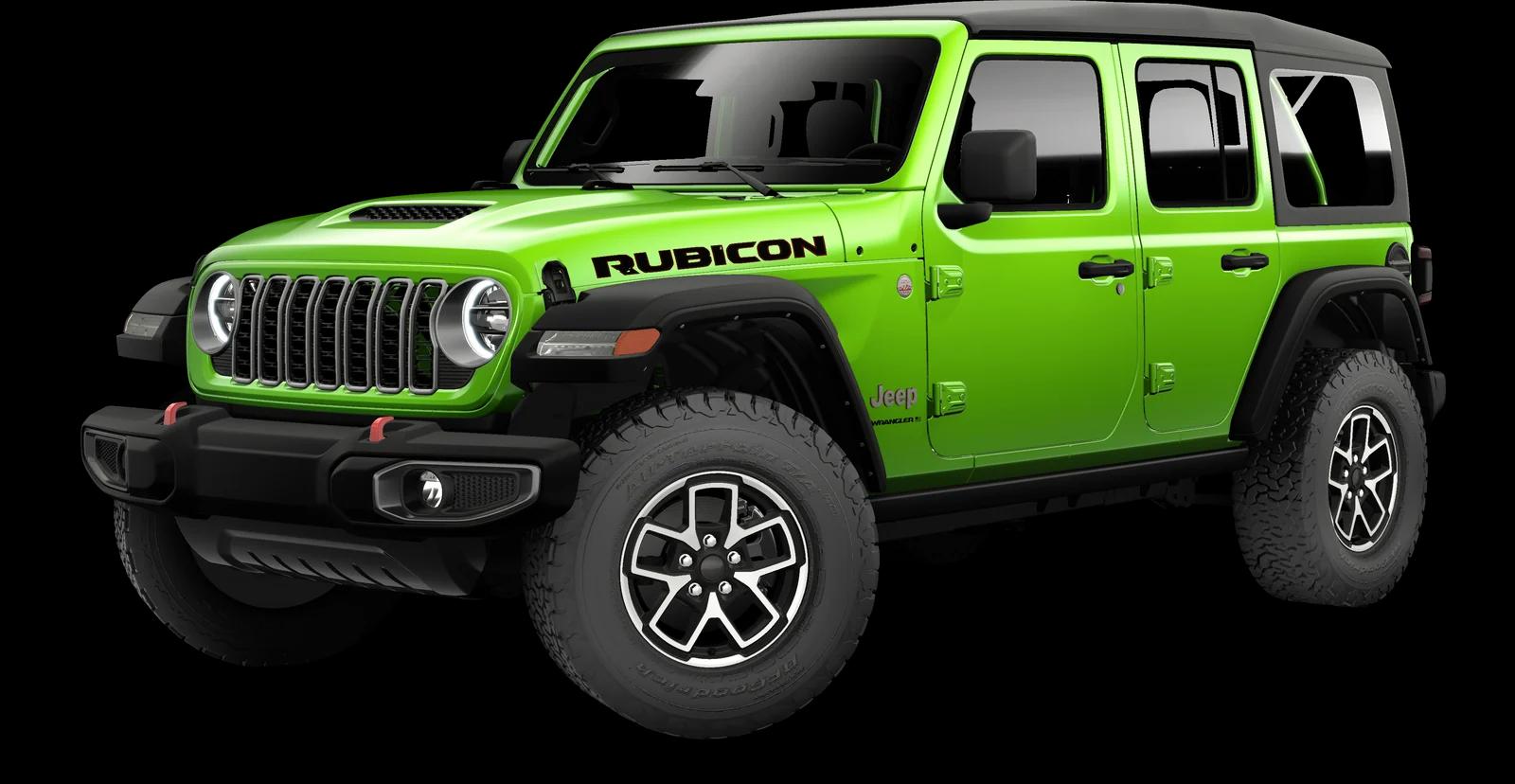
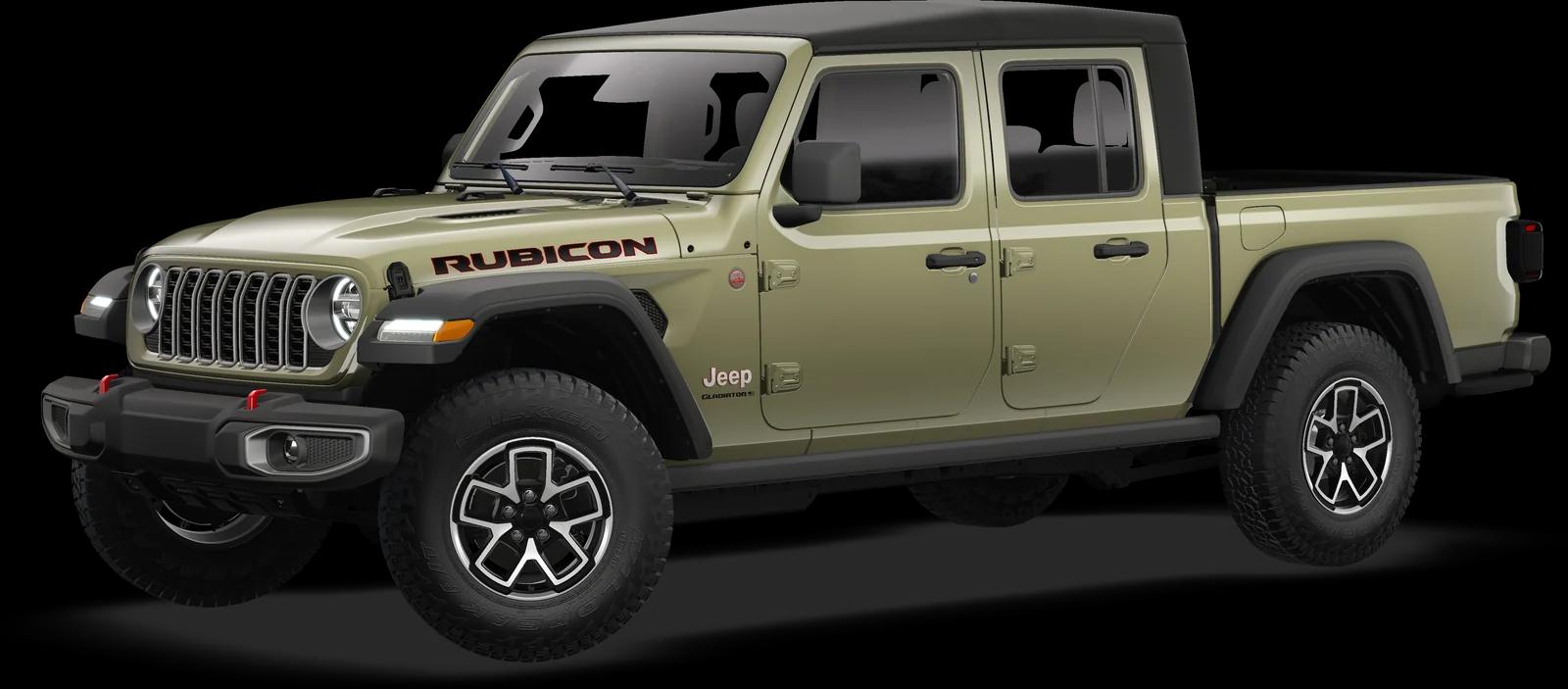
A mid-size truck or a half-ton does the job. The Gladiator, starting at $43,895, tows up to 7,700 pounds and lists a payload up to 1,720 pounds, plenty for a pair of ATVs, and its 60.3-inch bed with the tailgate closed (81.3 inches open) holds helmets, coolers and tools. The Ram 1500, from $42,575, offers 8,100 pounds of towing with the V-6, and its larger crew-cab interior suits a family of five. A Wrangler, at $36,635, tows 3,500 pounds on most four-door models and 5,000 pounds on a Rubicon with the right equipment, which suits a single-ATV trailer.
Trail permits, vehicle requirements and riding rules come from the trail system and the state, not from the vehicle manufacturer. Check the official West Virginia and Hatfield-McCoy sources before your trip, and confirm the current rules for the areas you plan to ride.
New River Gorge and the Whitewater Weekend
The New River Gorge Bridge is among the best-known sights in the state, and the roads that lead to it, including the winding descent toward the river on Fayette Station Road, feel remote even when they're a short drive from Fayetteville. Whitewater rafting, climbing and Bridge Day bring plenty of out-of-state visitors, but locals use the same roads daily.
A vehicle that can carry gear and take on gravel is the right fit. The Grand Cherokee, from $39,730, offers 4x4 and up to 11.4 inches of clearance, which suits trailhead gravel without needing a rugged-truck feel. The Wrangler works if you have kayaks, bikes or climbing gear on a roof rack, and its removable roof can be fun in summer. The Pacifica, with 140.5 cubic feet of cargo room and available AWD, is the practical pick for rafting groups, with the roof rack carrying the kayaks.
Fuel up before heading in, since stations are not on every corner. At 21.5 gallons and 22 mpg highway, the Wrangler's rough range works out near 470 miles, our own estimate. For river levels, access closures and permit questions, the National Park Service's New River Gorge page and the river outfitters are the official sources.
Winter on the Mountain Two-Lanes
Snow lingers in the high country. Places such as Snowshoe, Canaan Valley and the Allegheny Front get more snow than the rest of the state, and the roads that serve them are narrow, steep and shaded. Black ice on a north-facing curve can catch even experienced drivers, and a plow may not reach a side road for hours.
Four-wheel drive does not help you stop, so tires and slow speeds come first. On top of that, the Wrangler and Grand Cherokee both offer 4x4 systems built for low-traction roads, and the Compass puts 4x4 on every trim at the lowest price. The Ram 1500 in 4x4 is rated up to 8,100 pounds of towing, which helps when the cabin or camp needs a trailer load of firewood.
Keep a winter kit in the cargo area: a shovel, a blanket, a flashlight, gloves and snacks. Cell service drops out on many ridges and in hollows, so tell someone your route. The West Virginia 511 service and the state DOT post road conditions, and they are worth a look before any mountain drive, especially if you're heading for a ski area on a weekend when traffic piles up.
West Virginia buyer FAQ
What is the best vehicle for West Virginia's steep, narrow roads?
A compact or mid-size 4x4 with a tight turning circle is easiest on hollow roads. The Compass has standard 4x4, 8.1 inches of clearance and a 36.3-foot turning diameter, starting at $29,990. For more power on long grades, the Grand Cherokee's 324 hp turbo four is a better fit. Neither is a substitute for patience on wet pavement.
Can I take a Wrangler or Gladiator to the Hatfield-McCoy trails?
Both are built for off-road use, but trail systems set their own rules about vehicle types, permits and equipment. Many routes are designed for ATVs and side-by-sides rather than full-size vehicles. The Hatfield-McCoy Trail System and the state's natural resources agency publish what is allowed, so confirm before you load up.
Which Ram can tow ATVs and a trailer in the mountains?
The Ram 1500 handles most ATV loads, with up to 8,100 pounds of towing on the V-6 and 8,890 with the 5.7L HEMI. Mountain grades are a stress test for brakes and transmission, so use the tow-haul mode, stay in a lower gear on descents and stay well under the rated weight.
Is all-wheel drive enough for a West Virginia winter?
It is a good start. AWD or 4x4 helps with traction when pulling away on snow-covered grades, but it does not shorten stopping distances on ice. Good winter tires, slow speeds and extra space around plows matter more. Check West Virginia 511 for road conditions before long mountain drives, since ridge roads can ice over while valleys stay clear.
More Great Lakes guides