Ownership
Cold-Weather EV and Hybrid Ownership in Columbus, Indianapolis and Detroit
Wagoneer S, Charger Daytona, Recon, Cherokee hybrid and ProMaster EV compared on listed range and charging, with winter range, garage and home charging advice.
By the Great Lakes CDJR editors · Updated November 6, 2026 · 6 min read
A Detroit January is a fair test for any battery. Columbus and Indianapolis are only a little kinder, with long gray stretches below freezing and the occasional deep cold snap. If you are thinking about an electric vehicle or a hybrid in the Great Lakes, the first question is not how far it goes in a brochure. It is how it behaves on a 15-degree morning with a long commute ahead.
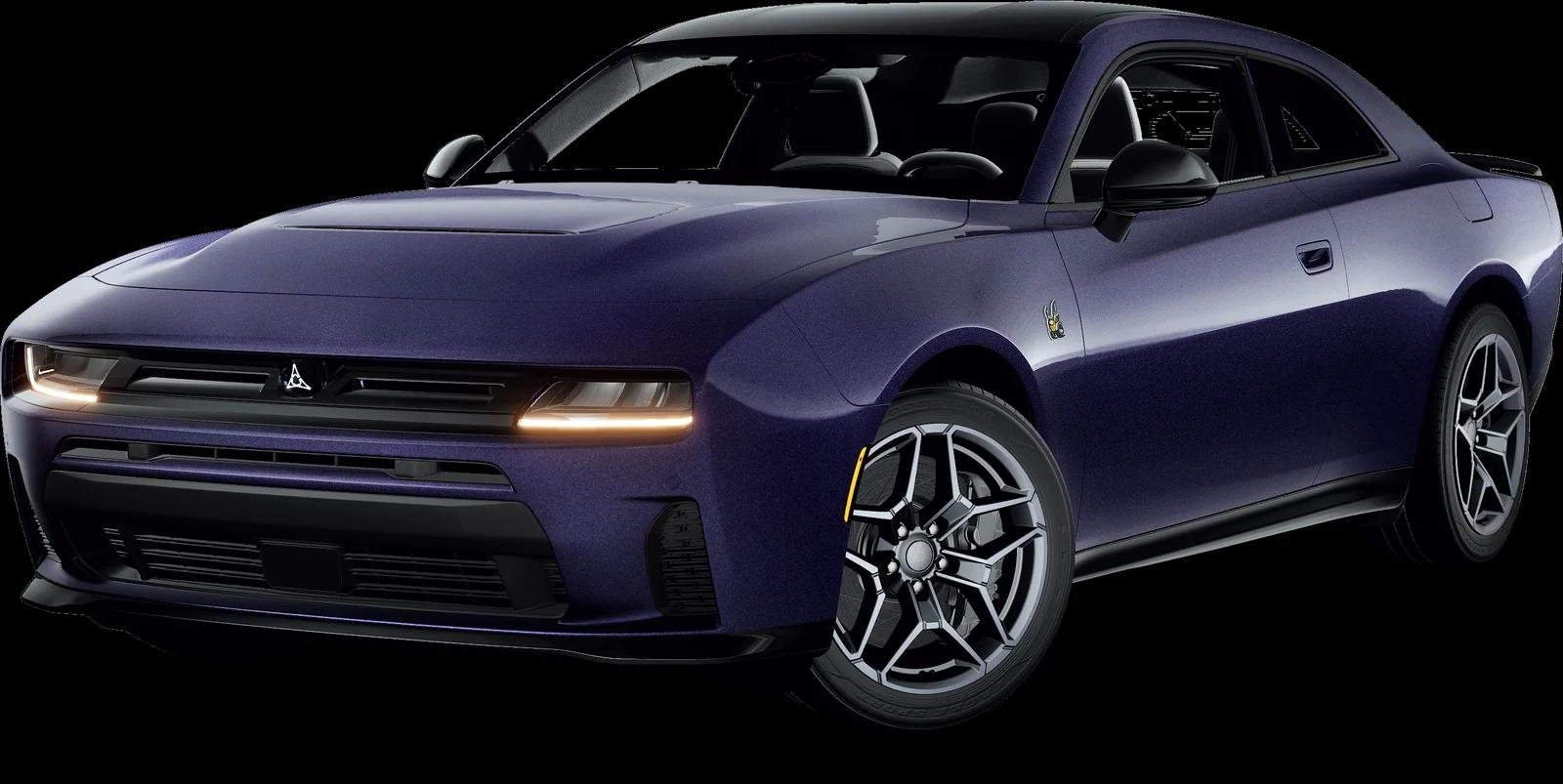
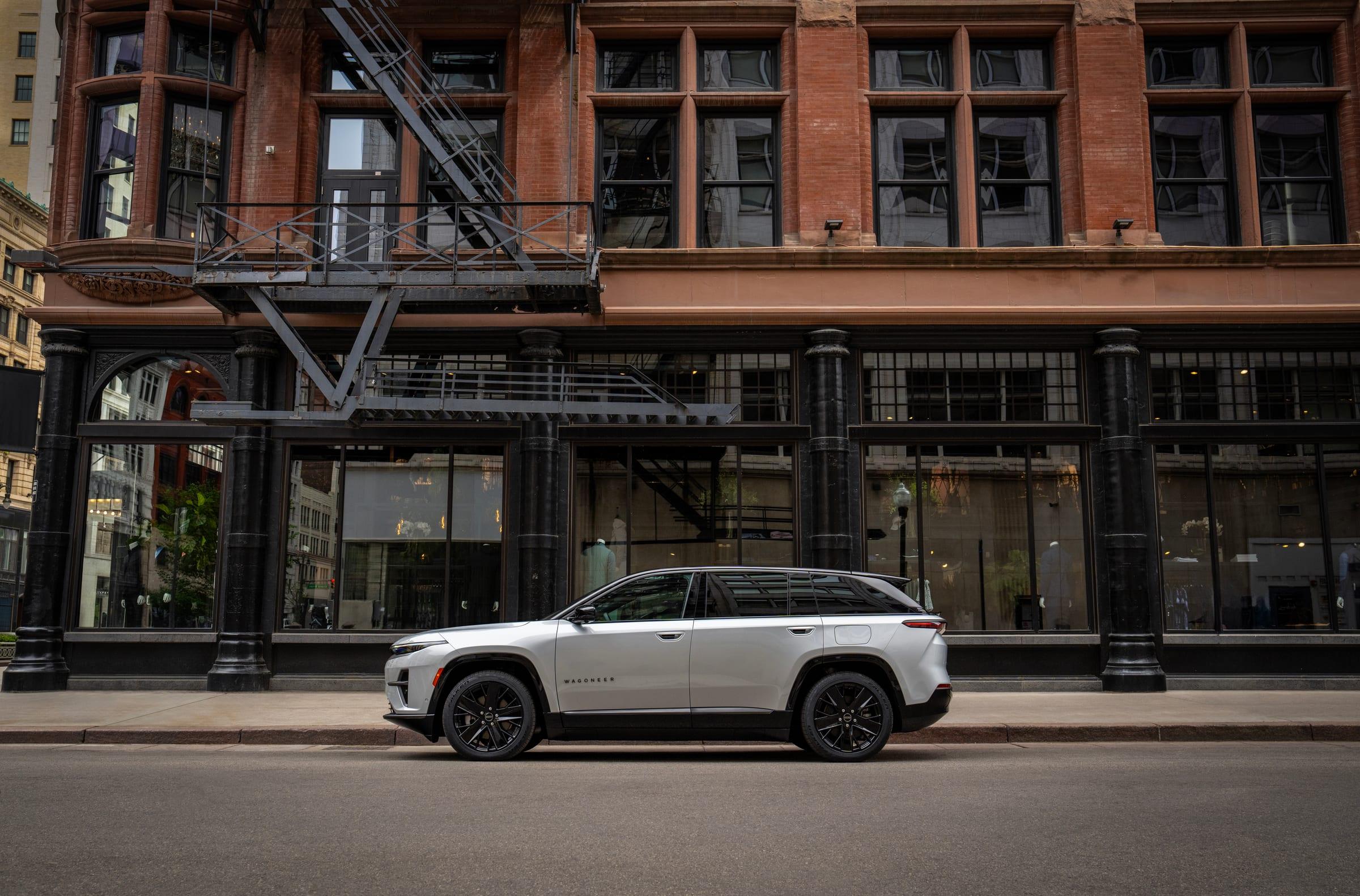
This guide looks at four electric models and one hybrid sold under the Chrysler, Dodge, Jeep and Ram brands: the Wagoneer S, the Charger Daytona, the Recon, the Cherokee hybrid and the ProMaster EV. Prices are starting MSRPs before destination as of November 2026, and they change. Note that the Wagoneer S figures are for model year 2025, the Recon and ProMaster EV for 2026, and the others for 2027.
What the numbers say
Every figure below is a listed rating, which means a test result in mild conditions, not a promise for a February highway run.
| Model | Listed range | Battery | DC fast charging | Level 2 | Level 1 |
|---|---|---|---|---|---|
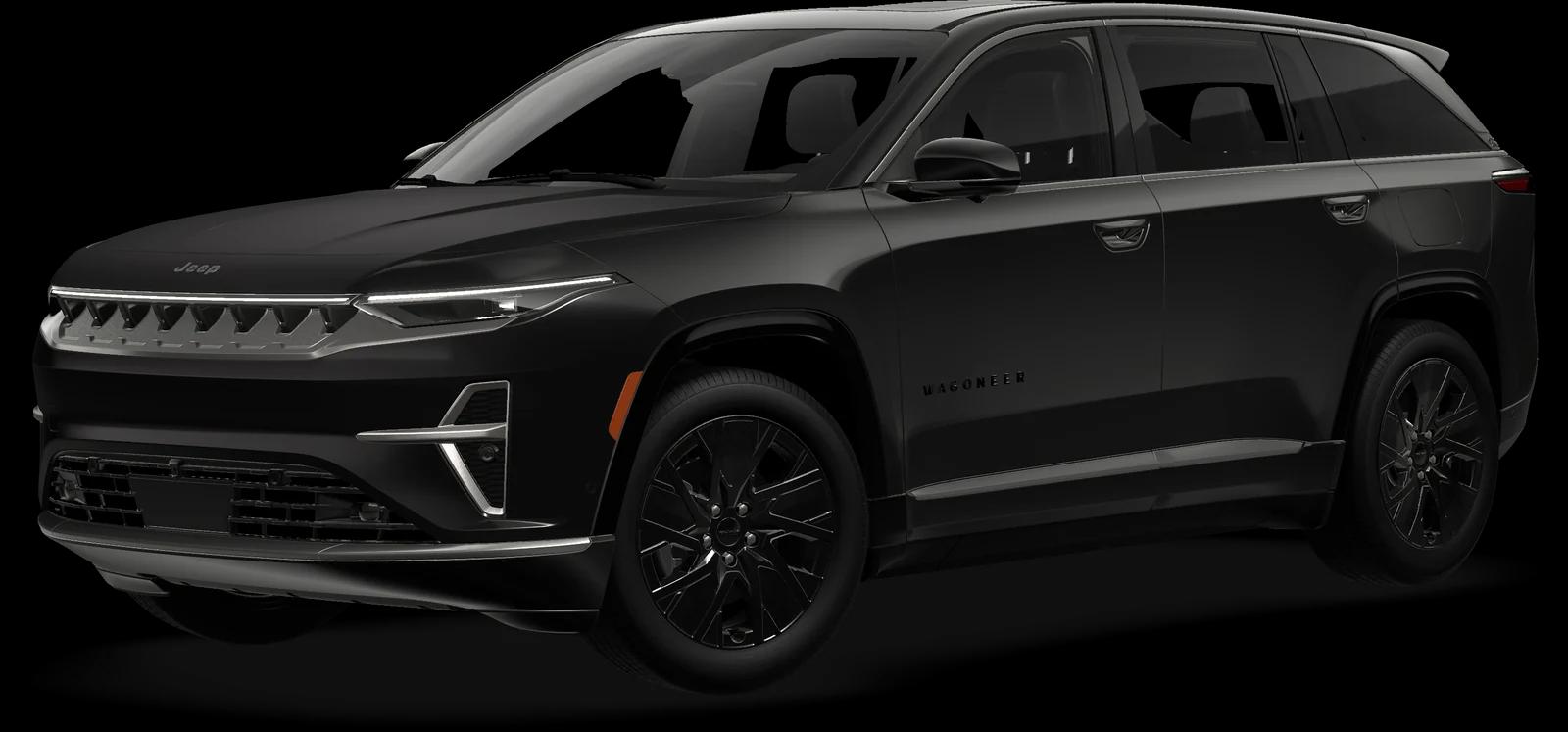
| Wagoneer S (2025) | 294 mi EPA (262 mi with Pirelli tires) | 100.5 kWh | 20 to 80% in about 23 min | About 6 hr | About 32 hr |
| Charger Daytona Scat Pack Plus | Up to 267 mi (231 to 241 mi on other tires) | 100.5 kWh (93.9 kWh usable) | 20 to 80% in 27 min on a 350 kW charger | 11 kW onboard charger (240 V) | Not listed |
| Recon Moab (2026) | Up to 222 mi | 100.5 kWh | 5 to 80% in about 28 min | About 6.8 hr | About 52 hr |
| ProMaster EV cargo van (2026) | Up to 164 mi combined | 110 kWh | Not listed | Not listed | Not listed |
Starting prices: Wagoneer S Limited, $65,200; Launch Edition, $70,200; Charger Daytona Scat Pack Plus, $77,490; Recon Moab, $66,995. A ProMaster EV starting price is not listed here, so ask for a quote.
The tire numbers deserve a second look. The Wagoneer S loses 32 miles of rated range on its alternate tires, and the Daytona's rating swings from 231 to 267 miles depending on the tire package. Tire choice changes range before winter even starts.
Why cold reduces range
Nobody has to guess at the cause, because the physics are simple. A battery delivers energy through a chemical process, and that process slows when the cells are cold. The car also has to spend energy warming the cabin and, in many cases, the battery itself. Cold air is denser, which increases drag at highway speed. Winter tires, wet pavement and snow add rolling resistance.
All of that happens at once, which is why the drop is hard to predict and varies by driver. Jeep says as much about the Wagoneer S, noting that range falls with cold weather, high speeds or towing. Rather than relying on a number from someone else's winter, treat the listed range as a ceiling and test the car on your own commute.
A good rule is to plan your winter trips with a generous margin, not with the last mile in mind. If your daily drive is a small slice of the rated range, the cold barely matters. If it is a large slice, the cold decides everything.
Preconditioning and garage parking
Two habits do the most for winter range, and neither costs anything.
- Warm the car while it is still plugged in. Heating the cabin and battery from the grid rather than from the battery keeps more of the stored charge for the road. Ask whether the model you want supports scheduled departure or app-based preconditioning, since features vary by vehicle and software.
- Park in a garage when you can. A garage in Columbus or Indianapolis usually stays warmer than the outside air on a cold night. A battery that starts warm performs better, and a cabin that starts warm needs less heating.
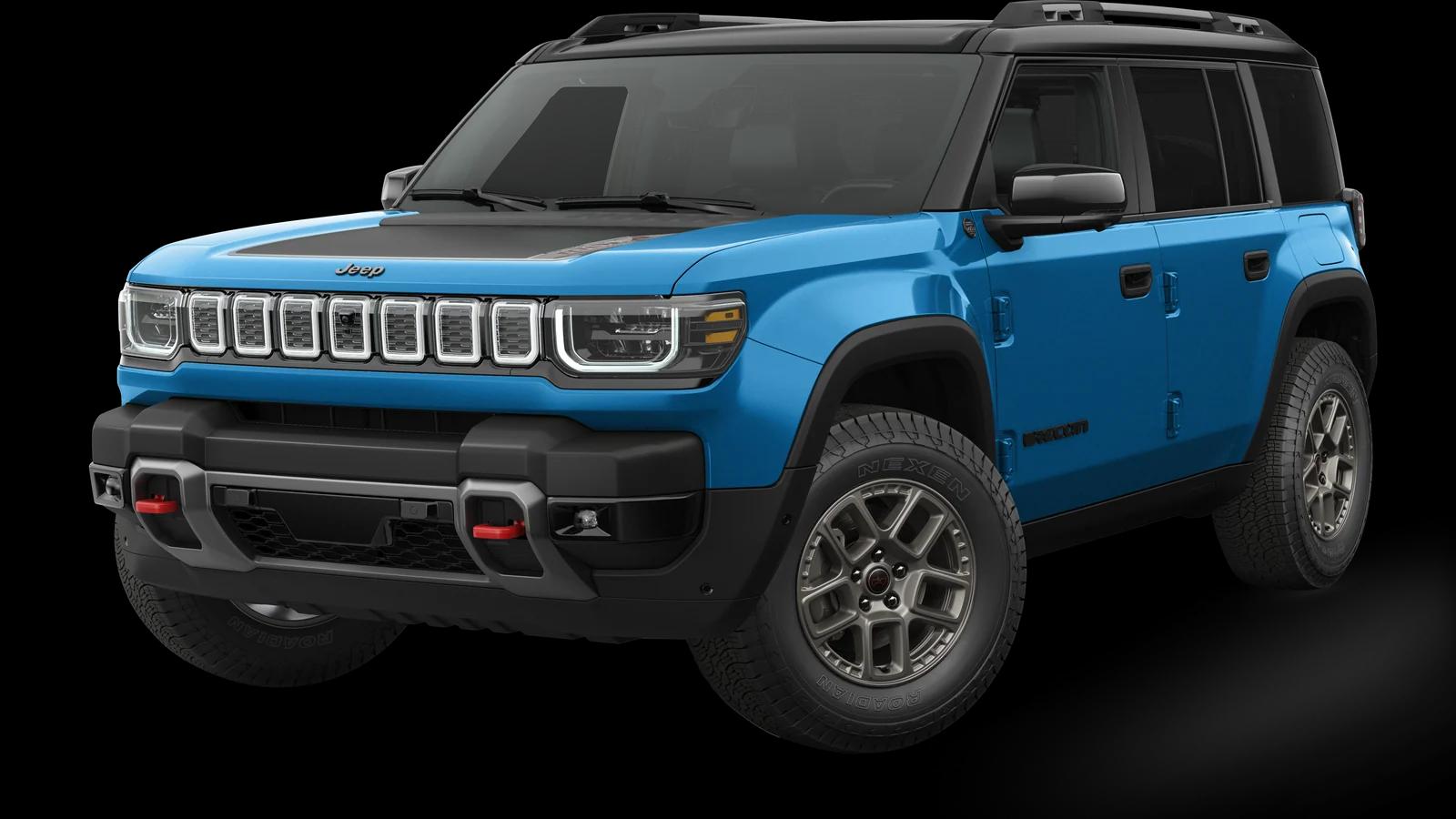
Seat and steering wheel heaters help you feel warm sooner without heating all the air. The Recon Moab lists heated eight-way power front seats and a heated leather-wrapped steering wheel as standard, and its $1,995 Comfort Package adds heated second-row seats and ventilated front seats. The Charger Daytona Scat Pack Plus lists heated and ventilated front leather seats.
Home charging versus public charging
Home charging is where most owners will spend nearly all their time, and the listed times show why. On a 240-volt Level 2 charger, the Wagoneer S takes about six hours and the Recon about 6.8 hours, which is an overnight charge. The standard household outlet is a different story: roughly 32 hours for the Wagoneer S and 52 for the Recon. That works as a top-up for a short commute, not as a primary plan.
Public DC fast charging fills the gaps on road trips. The Wagoneer S is listed at about 23 minutes for 20 to 80 percent, the Daytona 27 minutes on a 350 kW charger, and the Recon about 28 minutes from 5 to 80 percent. Cold batteries usually charge more slowly than warm ones, so a stop in February can run longer than the listed figure.
Connector type matters. The Daytona has a native NACS port and can use Tesla Supercharger stations without an adapter. For the Wagoneer S and Recon, confirm the connector and any adapters before you rely on a particular network.
Check with your electric utility about rates and wiring for a Level 2 charger. This guide does not cover incentives or tax credits, which change often.
The hybrid and the van
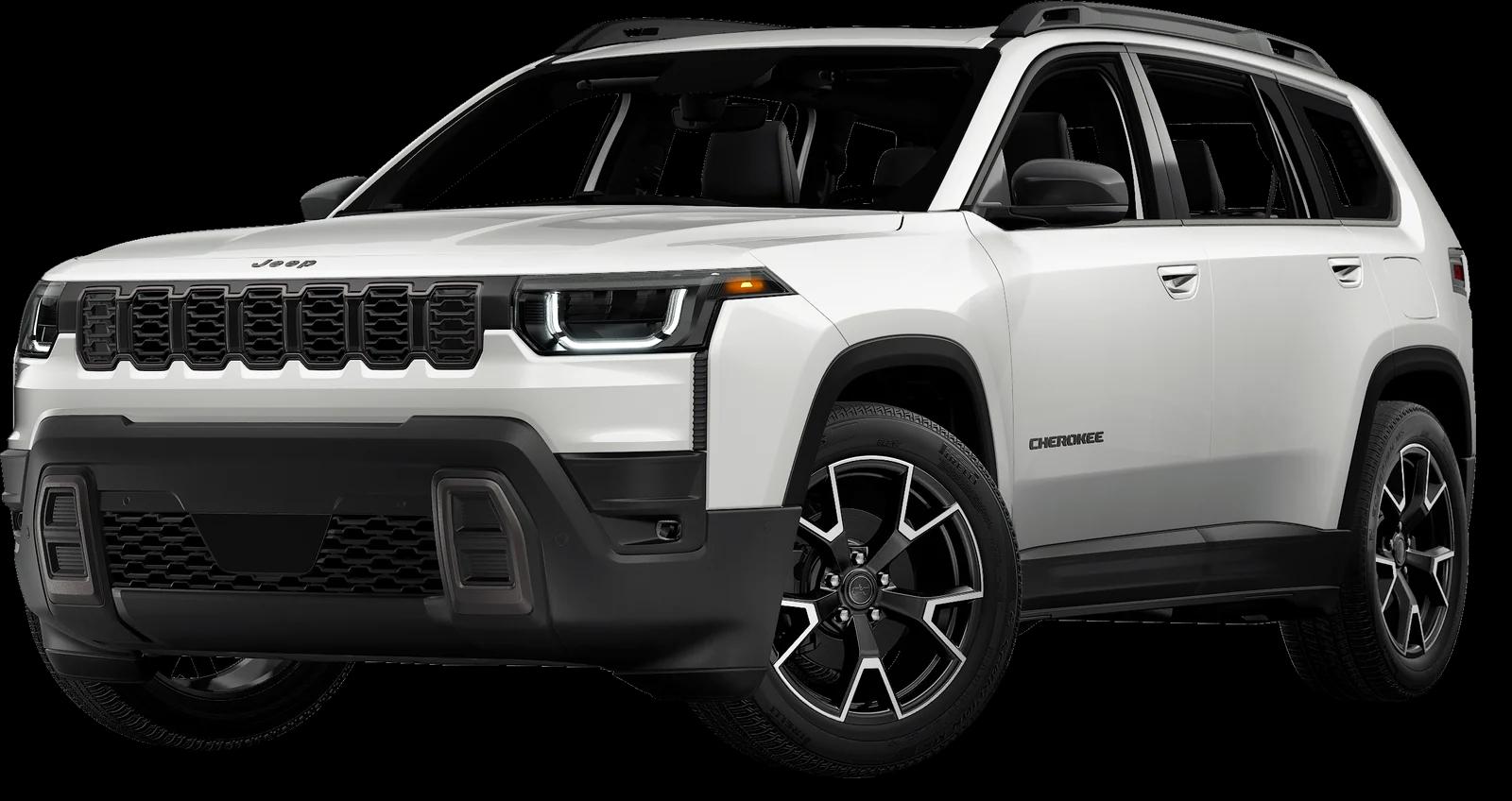
Not everyone wants to plug in. The Cherokee hybrid pairs a 1.6-liter turbo four with electric motors and a 1.08-kWh battery. The battery recharges through braking, so there is no plug and no charger to install. Jeep estimates up to 37 mpg combined and more than 500 miles per tank, and four-wheel drive is standard on every trim. It starts at $35,130. The Trailhawk, with its lower 33 city, 29 highway and 31 combined mpg ratings, shows how added hardware changes efficiency. Expect mileage below the sticker on the coldest days, since heating the cabin costs fuel too.
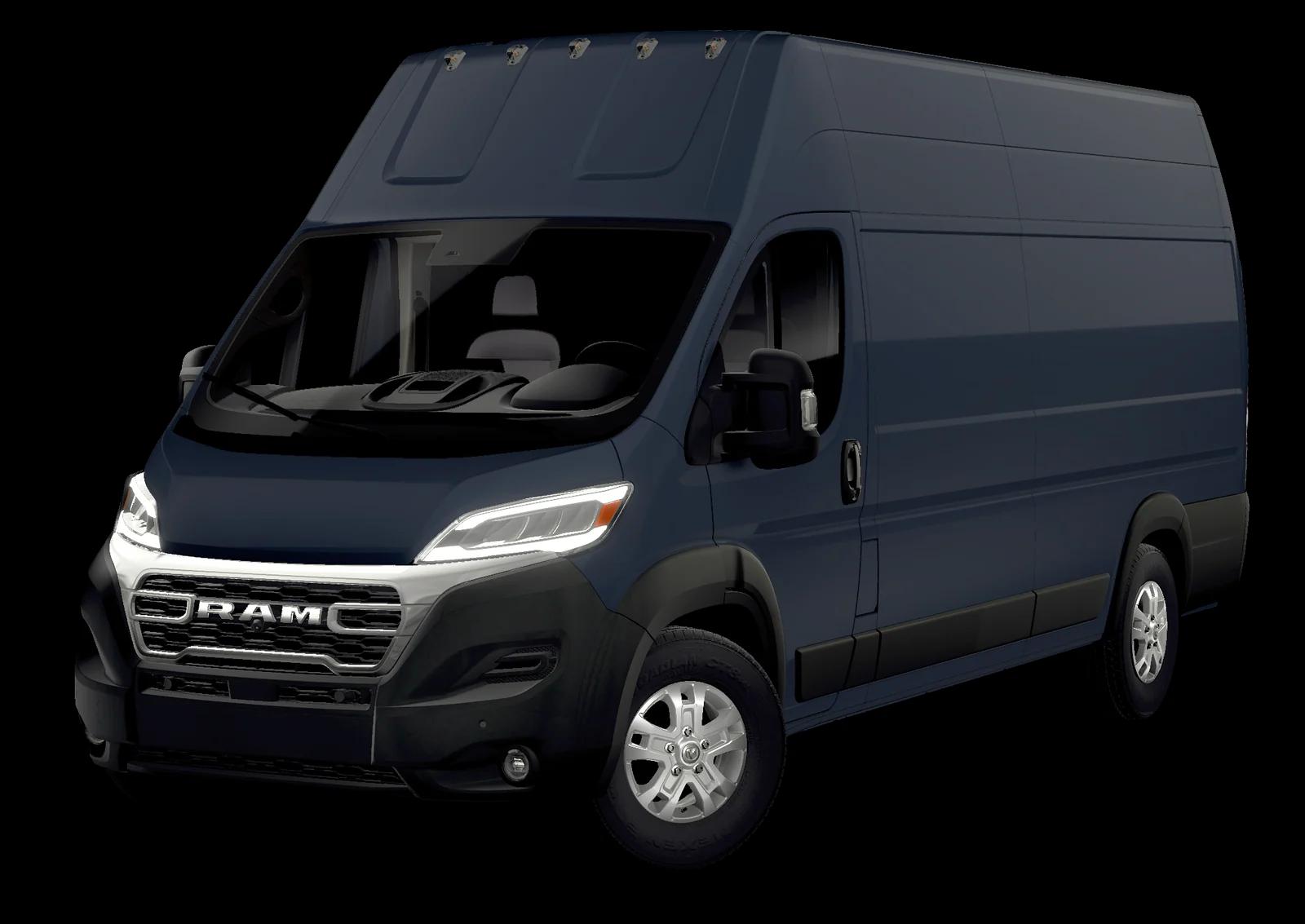
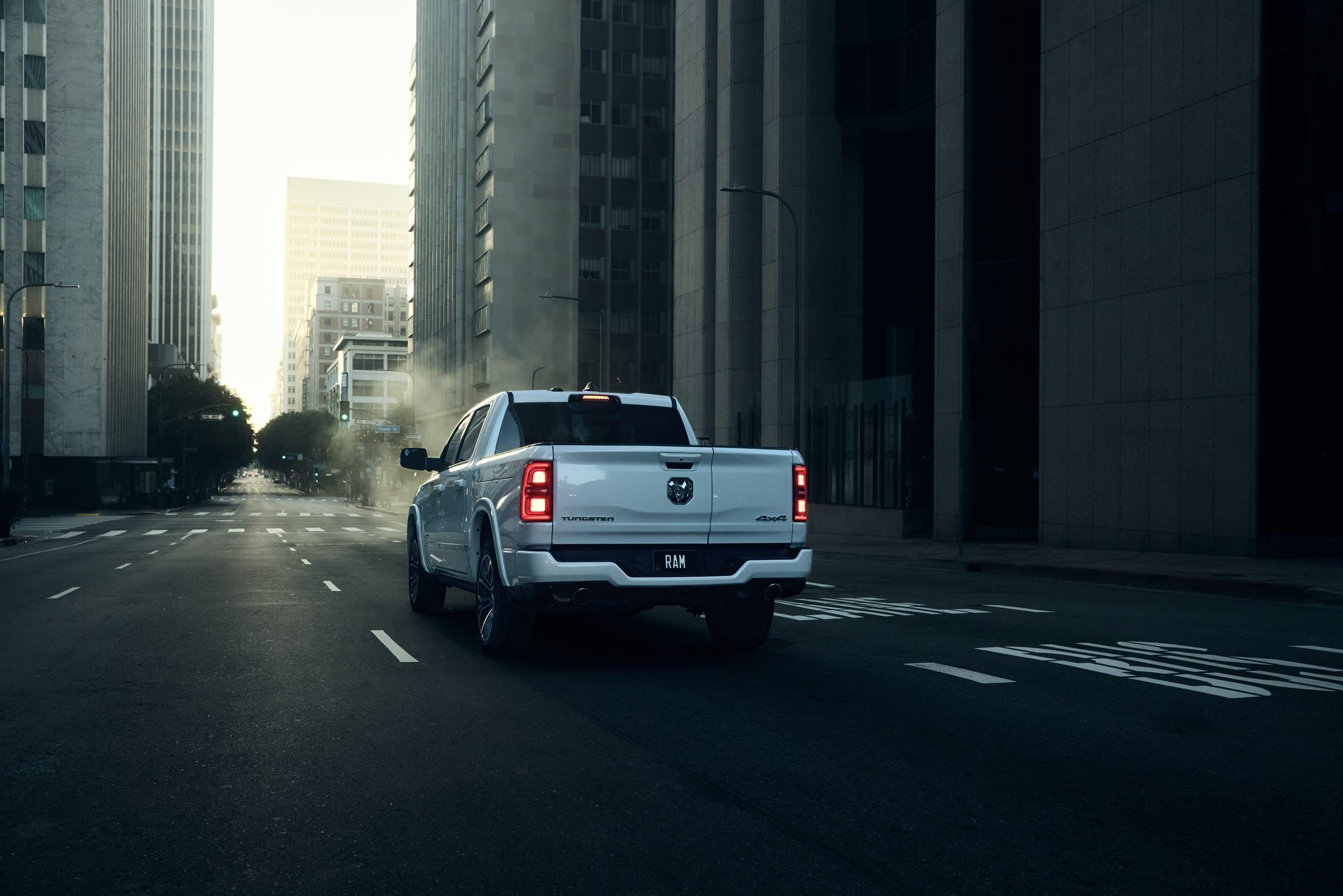
The ProMaster EV suits a fleet or tradesperson with predictable routes. Ram quotes up to 164 miles combined and 3,170 pounds of payload for the cargo van, compared with 4,750 pounds for the gas ProMaster. The EV has a 110-kWh battery and 268 hp, and Ram's towing chart gives it no trailer rating. For a Columbus or Detroit contractor who returns to the same yard each night, a depot charger makes sense. If the route stretches beyond that range in winter, the gas van is the safer pick. Heated steering wheels and heated windshields are available on the ProMaster.
Winter tires and a quick checklist
The Charger Daytona is the only car here with a low 5.5-inch ground clearance, and it comes with all-wheel drive standard. The Wagoneer S sits at 6.4 inches and the Recon at 9.1. None of that replaces tires. A dedicated winter set improves grip but can also change rated range, as the tire differences above show, so ask what the manufacturer suggests for your wheel size.
Before you buy, run through this list:
- Measure your longest regular winter trip and compare it with the listed range, leaving a wide margin.
- Confirm where the car will be charged at night, and what it will cost to add a Level 2 outlet.
- Ask about preconditioning and scheduled departure on the exact trim.
- Look at winter tire options and what they do to the rating.
- Take a longer test drive on a cold day if you can.