Great Lakes guides · IN
Indiana Driving: Interstate Sprawl, Lake-Effect Snow and Hoosier Farm Roads
Indiana has long interstate spokes out of Indianapolis, Chicago-bound traffic across the northwest corner, farm roads that carry grain trucks, and wooded hills around Brown County. This guide pairs new Chrysler, Dodge, Jeep and Ram models with those conditions, from Fort Wayne and South Bend to Evansville. Starting MSRPs are before destination and change over time.
Our picks for Indiana
Indianapolis and the Spokes of the Interstate Wheel
Indianapolis has an interstate system shaped like a wheel and spokes, with I-65, I-70, I-69 and I-74 meeting at the I-465 loop. Suburban growth in Carmel, Fishers, Greenwood and Avon keeps adding drivers who commute thirty or forty minutes each way. Race weeks and Colts games add predictable gridlock.
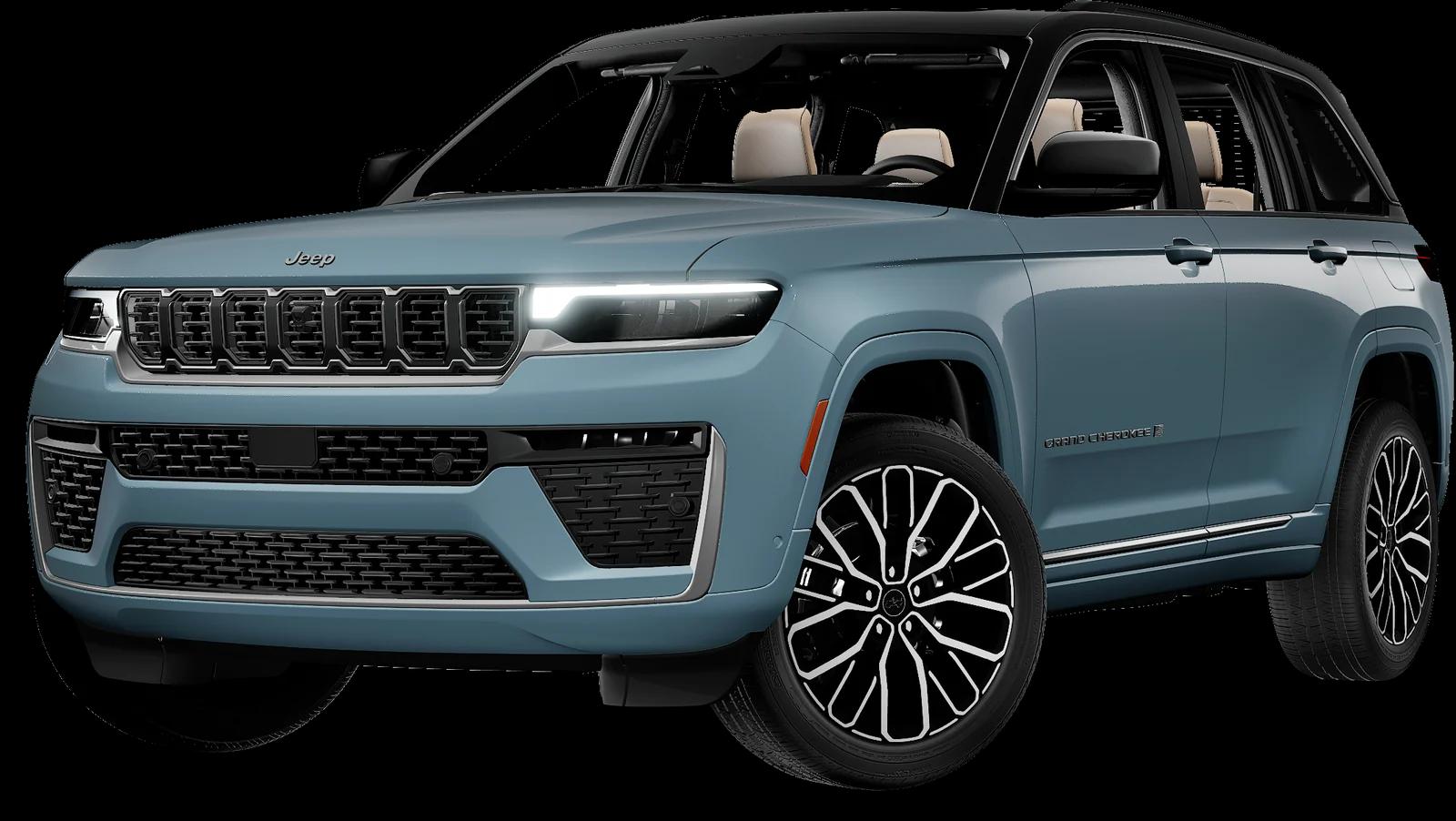
Suburban Indy commuters tend to land on one of two choices. The Pacifica, at $41,595 to start, has a 287 hp V-6, up to 140.5 cubic feet of cargo room and AWD on Select, Limited and Pinnacle. The Grand Cherokee, from $39,730, handles soccer practice and a long weekend in the same week. A 23-gallon tank and EPA ratings up to 21 city and 26 highway keep the fuel stops manageable.
The Charger Daytona and the gas-powered Charger, starting at $49,995 for 2027, come with standard AWD, which is a practical thing to have when the I-465 loop is slick in February. The Charger's 5.5 inches of clearance is low, so check driveway aprons and speed humps before you commit.
On race days, plan the route in advance, because lot and road closures are posted by the venue and the city.
Northwest Indiana, the Chicago Commute and Lake Michigan Snow
Gary, Hammond, Portage and Valparaiso sit within a lake-effect snow pattern that can shut down the Borman Expressway and I-94 while central Indiana sees bare pavement. Many residents drive toward Chicago for work or sports, and the hours between 5 and 8 a.m. can bring a rush of trucks and commuters.
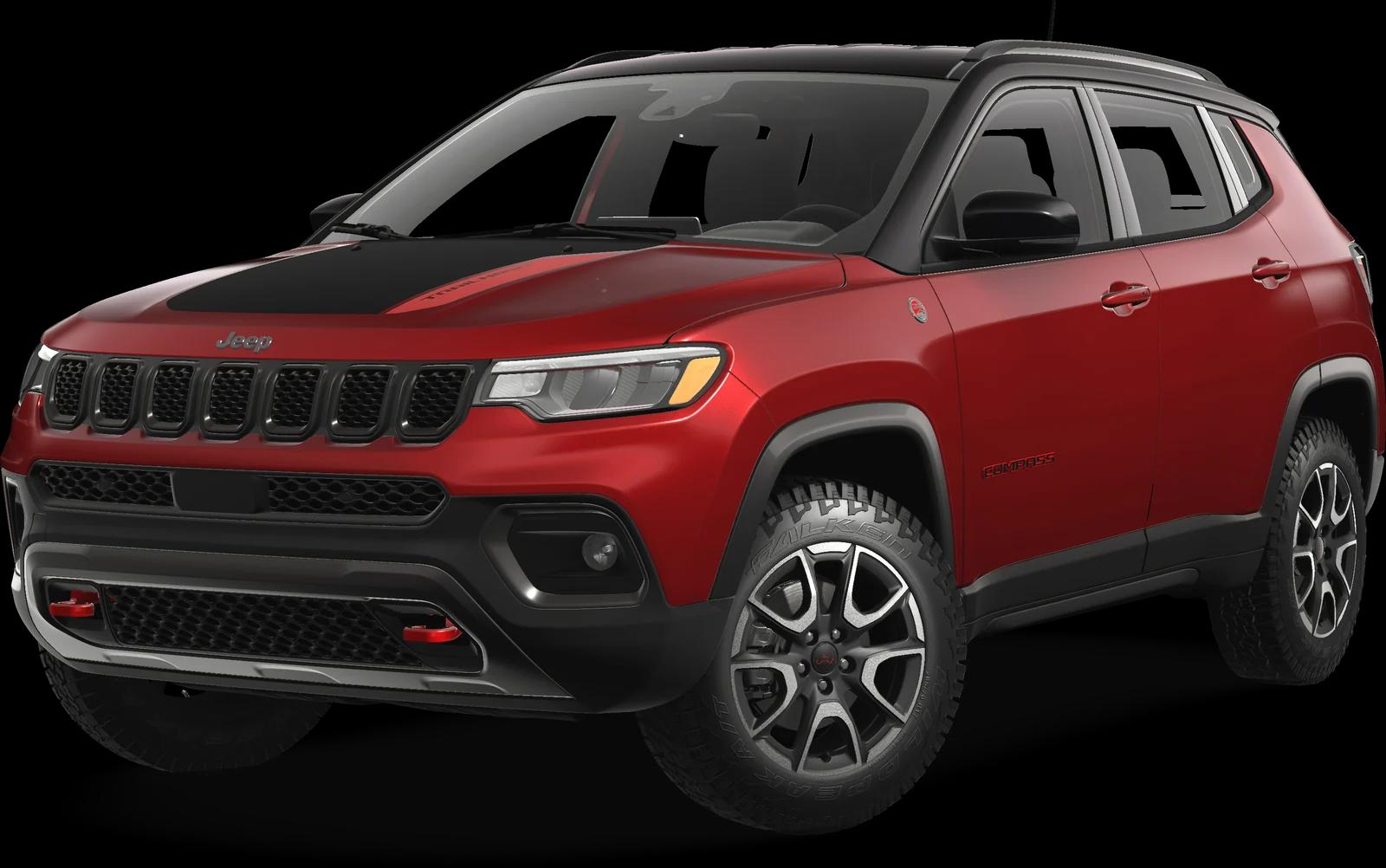
Four-wheel drive that you don't have to remember to engage is valuable here. The Compass, starting at $29,990, has standard 4x4, a 200 hp turbo, and 21 city and 29 highway mpg. The Durango's standard all-wheel drive handles snow-packed ramps, and its 24.6-gallon tank gives a long highway range. Multiply that by the 22 mpg highway rating on the 5.7L HEMI and you get roughly 540 miles, a rough estimate we worked out, though real-world driving with heavy traffic will fall short.
For drivers who commute by train and park at a station, a small SUV is enough. The Cherokee hybrid, at $35,130, is rated by Jeep up to 37 mpg combined, which helps if a daily drive to a South Shore station is short and stop-and-go. Check the South Shore Line for station parking details, since those are set by the railroad and the municipality.
Grain Country, Gravel Roads and Heavy Loads
Outside the metros, Indiana is mostly farmland, and the roads reflect it: section-line gravel, narrow county bridges and grain trucks at harvest. A pickup in this part of the state tends to carry fertilizer, seed or a livestock trailer, and needs to hold up to years of dust and mud.
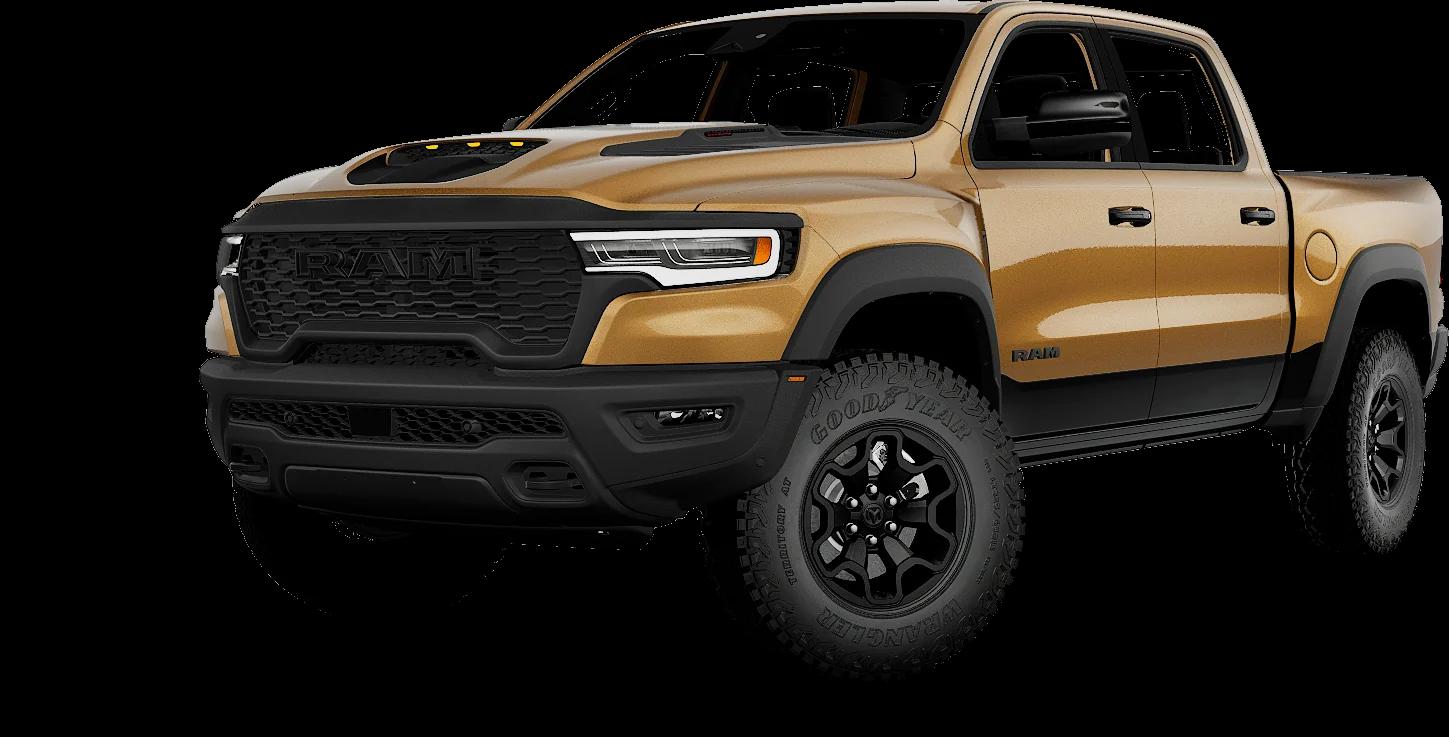
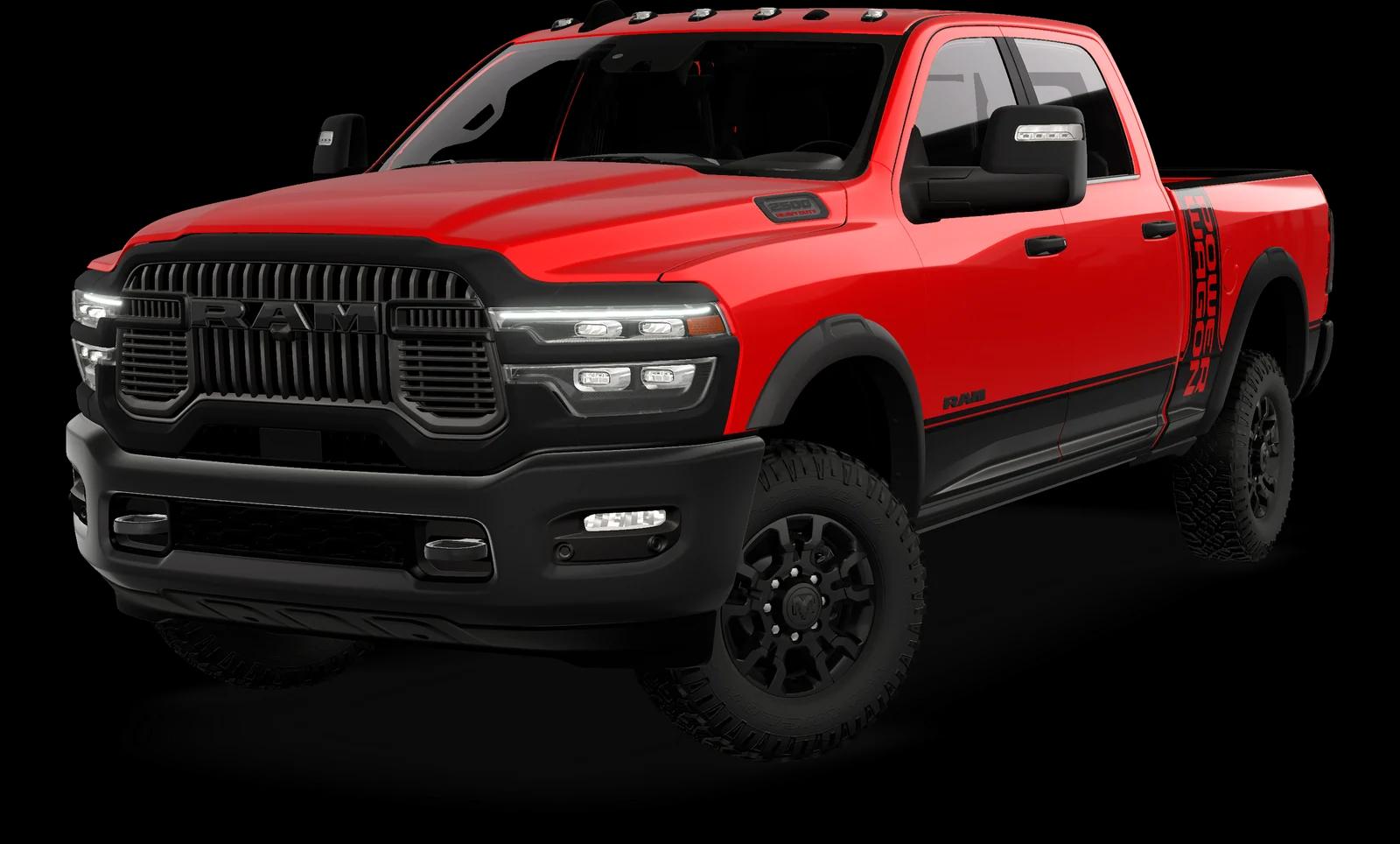
The Ram 1500, from $42,575, covers light farm duty with a payload of up to 2,340 pounds on the V-6 and up to 8,890 pounds of towing with the 5.7L HEMI. Heavy-duty work belongs to the Ram 2500, starting at $48,040. It lists 17,740 pounds of towing with the 6.4L HEMI and 20,000 pounds with the Cummins diesel, with payload up to 4,580 pounds with the Payload Upgrade Package, all preliminary ratings. The Ram 3500 goes even further, with towing up to 37,020 pounds for the biggest fifth-wheel and gooseneck jobs.
Midwestern farm trucks see long idle times and heavy loads, so look at the 33-gallon optional tank on the 1500 for a bigger fuel buffer. Evansville and the Ohio River counties add flood risk on low county roads in spring. Local emergency management posts road closures, and those notices beat any vehicle capability claim.
Brown County Hills and Southern Indiana Ridges
South of Bloomington the state stops being flat. Brown County, Nashville, Hoosier National Forest and the roads toward the Ohio River have tight curves, short steep climbs and in October a procession of leaf-watchers. A fall weekend in Brown County is as much a traffic exercise as a scenic drive.
Here a vehicle that feels settled in curves and has the grunt to climb matters. The Grand Cherokee with the 324 hp turbo four makes steep grades easy, and its up-to-11.4-inch clearance copes with gravel pull-offs at trailheads. The Wrangler, at $36,635, suits state forest trails and lists up to 34 inches of fording, though it is a louder, more upright ride on the highway.
If you're considering the Gladiator, its 137.3-inch wheelbase makes tight hill roads a bit more work than the Wrangler's 118.4-inch four-door, though the bed's 35.5 cubic feet is useful for camping gear.
For trail access, camping and forest roads, check the Indiana DNR and the U.S. Forest Service for current closures and rules, since these change after storms and during hunting seasons. Do not rely on a trail map from a few years ago.
Fort Wayne and South Bend Winters
Fort Wayne sits on a flat plain where wind pushes snow across the open fields and onto the roads, and South Bend, just inland of Lake Michigan, takes lake-effect snow in the same season. Both cities have long winters with steady temperatures below freezing, and drivers deal with ice more than with deep drifts.
A front-wheel-drive-only vehicle can handle this with good tires, but all-wheel or four-wheel drive adds confidence at intersections and on-ramps. The Pacifica with AWD is rated 17 city and 25 highway, and the Voyager is front-wheel drive only, so choose accordingly. The Durango and the Grand Cherokee deliver a taller seating position, which helps with visibility behind plow trucks and big rigs on I-69 and the Indiana Toll Road.
For plow-and-driveway duty or farm-edge homes, a half-ton truck such as the Ram 1500 is a good match. Its eTorque V-6 offers regular fuel and a 26-gallon standard tank.
When a storm moves in, check the Indiana Department of Transportation for travel advisories before heading out, and keep a winter kit in the vehicle. A blanket, a shovel and a charged phone matter more than horsepower.
Indiana buyer FAQ
Which vehicle suits a long Indianapolis suburban commute?
The Pacifica and the Grand Cherokee both suit it. The Pacifica starts at $41,595, with a 287 hp V-6 and up to 140.5 cubic feet of cargo. The Grand Cherokee starts at $39,730 and adds optional 4x4 and a 6,200-pound tow rating. Pick by whether passengers or capability matter more.
What works best for lake-effect snow in Northwest Indiana?
Look for standard all-wheel or four-wheel drive. The Compass includes 4x4 on every trim, and the Durango includes AWD. Both ride higher than a sedan, which helps on plowed ridges. Winter tires and a clean windshield-washer reservoir matter as much as the drivetrain on I-94 and the Borman, and they cost far less than a wreck.
Is a Ram 2500 overkill for an Indiana farm?
Not if you pull a gooseneck, a grain wagon or a livestock trailer. The Ram 2500 lists up to 17,740 pounds of towing with the 6.4L HEMI and 20,000 pounds with the Cummins diesel, both preliminary. For lighter duty and daily driving, a Ram 1500 with up to 8,890 pounds of towing is easier to live with.
Can a Wrangler handle Brown County trails?
It can handle the gravel roads and forest tracks, with up to 12.9 inches of clearance and 34 inches of fording on Rubicon models. Trail rules and closures vary by season, and some areas are restricted to certain uses. The Indiana DNR and the Hoosier National Forest post the current status.
More Great Lakes guides