Explainer
Pacifica and Voyager Fluids, Maintenance and Hybrid Differences
Oil, coolant, battery coolant, fuel tank and maintenance differences between gas and hybrid Pacificas (2017-2027) and the gas-only Voyager (2020-2026).
By the Great Lakes CDJR editorsUpdated November 8, 20268 min read
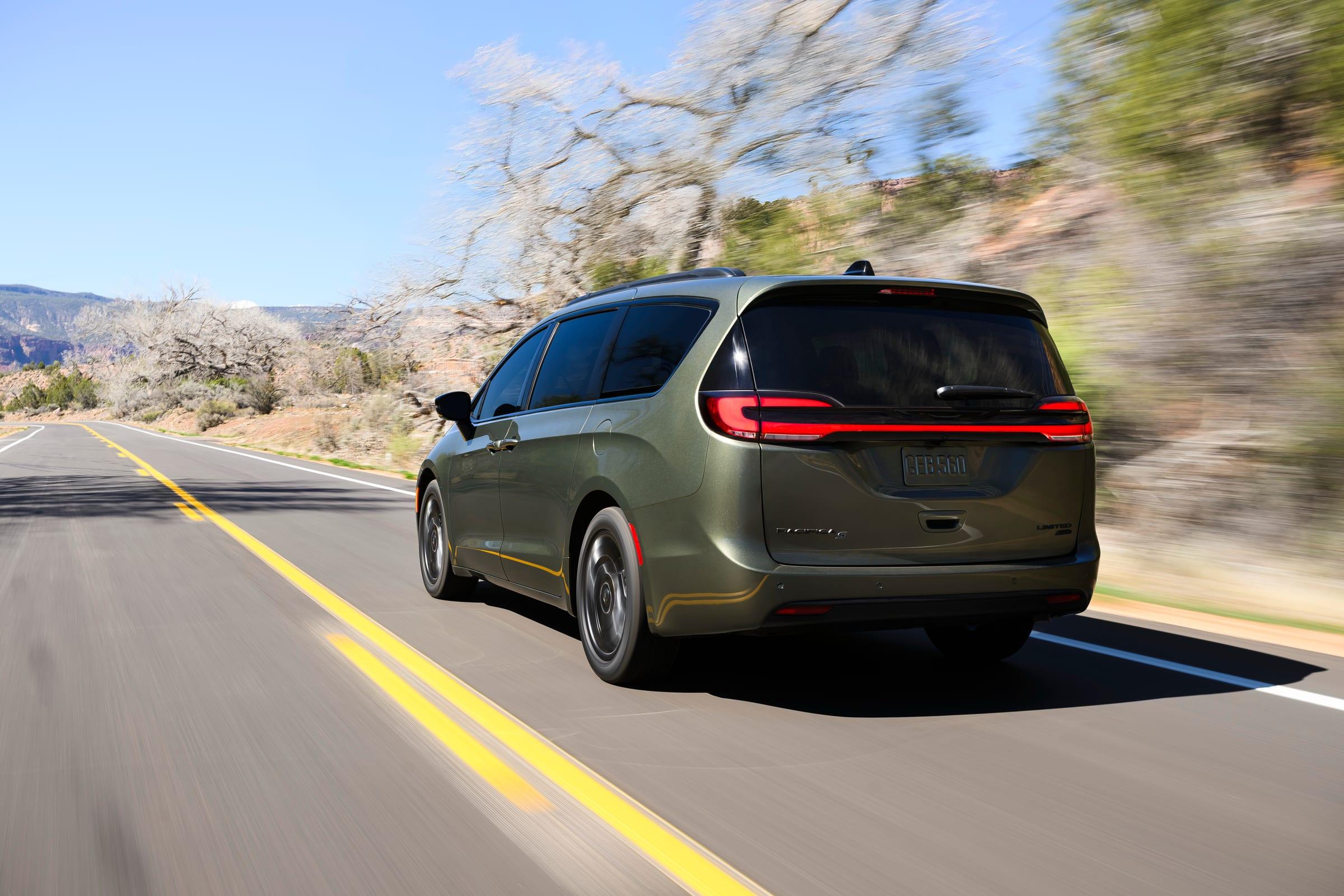
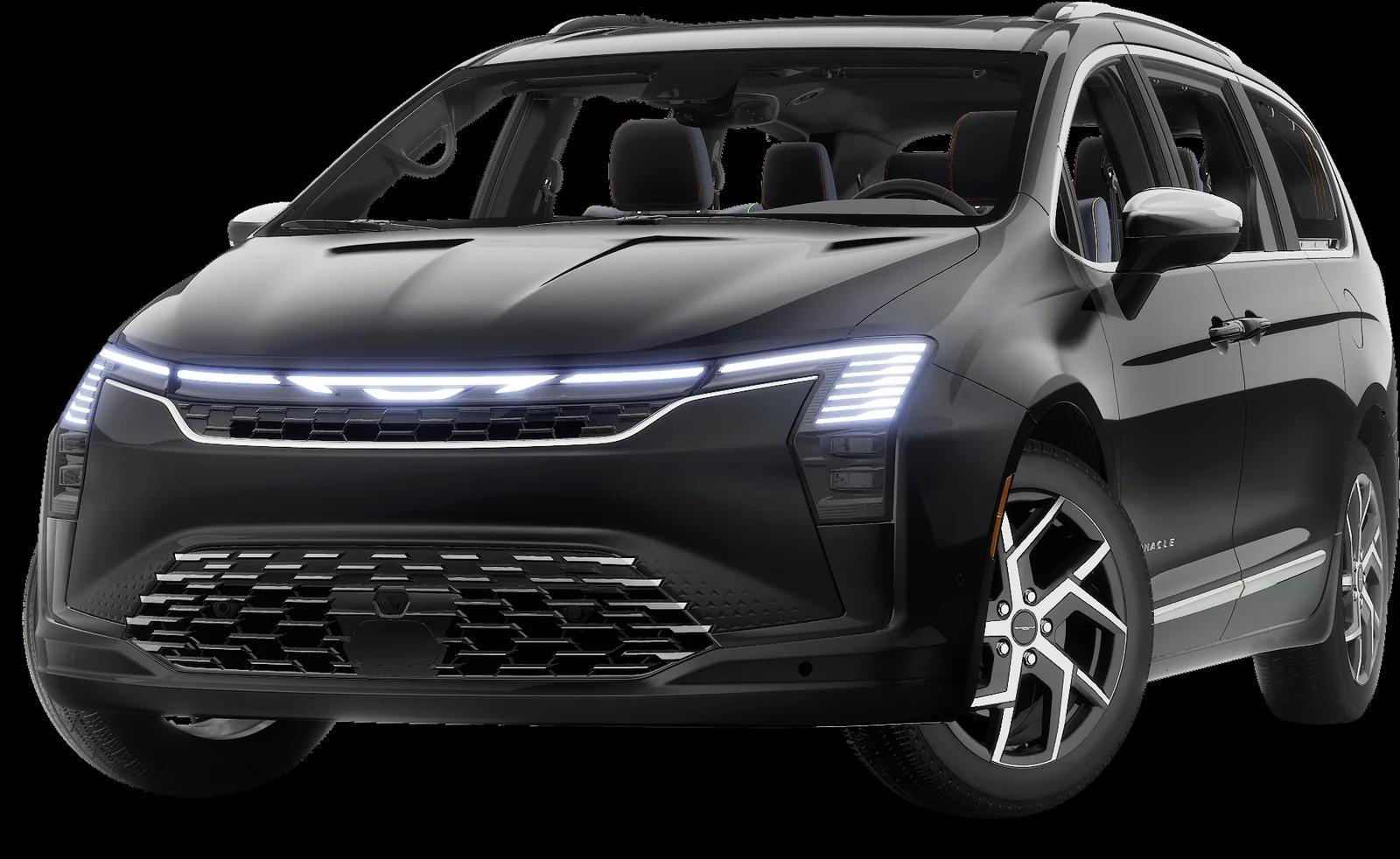
A gas Pacifica and a Pacifica Hybrid share a 3.6‑liter V‑6, the same oil grade and the same oil capacity, so the oil question has one answer: SAE 0W‑20 and 5 quarts with the filter. The differences start with coolant. In the years where the manufacturer data breaks them out, it lists one coolant system for the gas engine and three for the hybrid: engine coolant, battery coolant and power electronics coolant. The hybrid also has a smaller fuel tank, a heavier curb weight and a "not recommended" note where the gas van lists a 3,600‑pound tow rating.
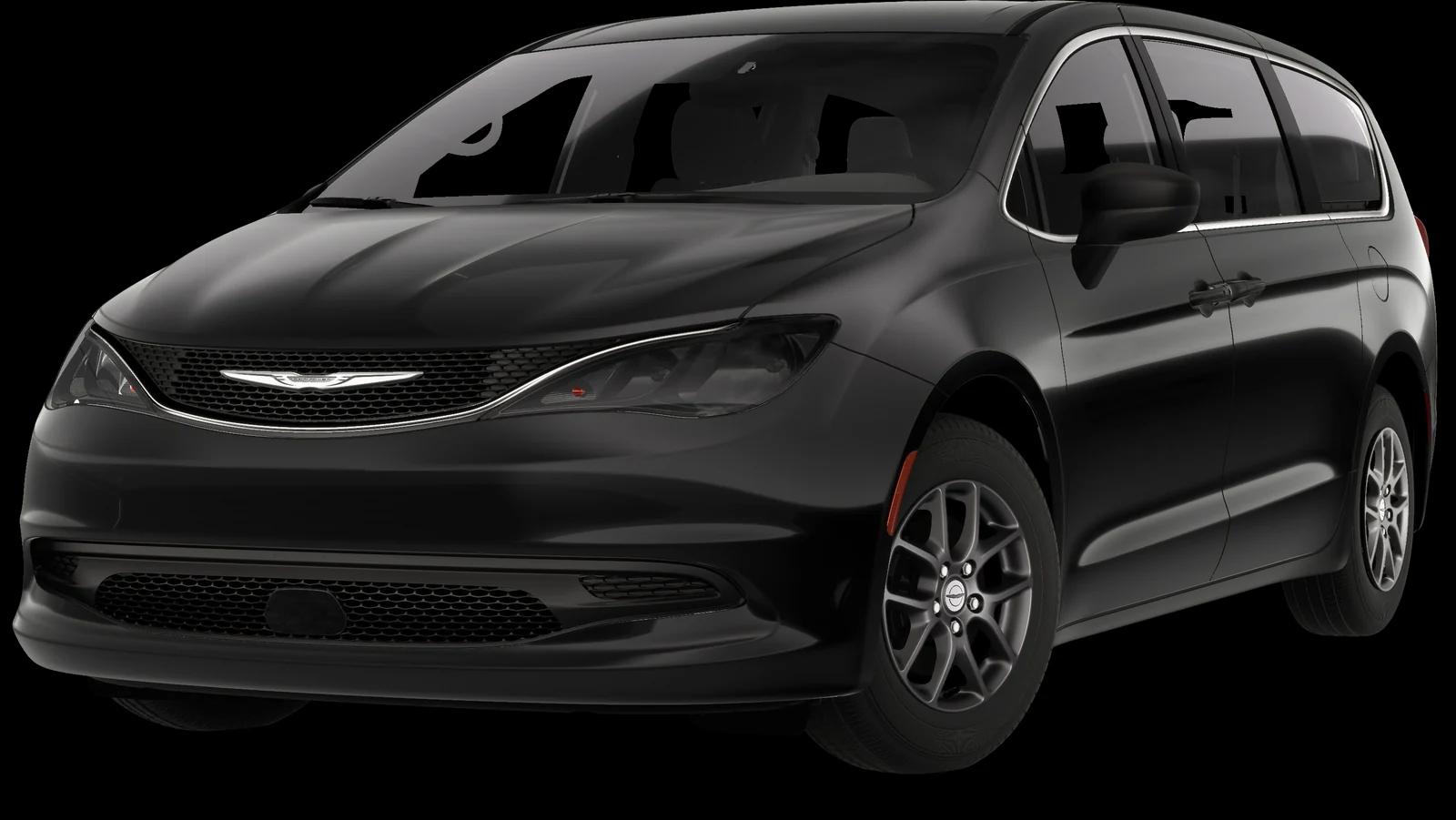
The Voyager, sold from 2020, is a gas-only 3.6‑liter V‑6 minivan in the data. Its capacities line up with the gas Pacifica, with a few differences covered below. If you drive through Great Lakes winters, the coolant details are the part worth reading before the first subzero morning, because the hybrid lists three coolant entries where the gas van lists one.
Which years had a hybrid
The research data covers the Pacifica for 2017 through 2027 and the Voyager for 2020 through 2026. The spec sheets list a hybrid powertrain for every Pacifica year from 2017 to 2026, labelled "Hybrid" until 2023 and "Plug-in Hybrid" from 2024. The 2027 sheet lists only the gas V‑6.
| Year | Hybrid in the spec sheet | Maintenance schedules in the data | Battery / power electronics coolant in the capacity table |
|---|---|---|---|
| 2017 | Hybrid | Separate gas and hybrid schedules | 5 qt / 3.7 qt |
| 2018 | Hybrid | Separate gas and hybrid schedules | 5 qt / 3.7 qt |
| 2019 | Hybrid | Separate gas and hybrid schedules | 4.2 qt / 3.7 qt |
| 2020 | Hybrid | Separate gas and hybrid schedules | None listed |
| 2021 | Hybrid | One schedule, engine-coolant wording only | None listed |
| 2022 | Hybrid | One schedule, engine-coolant wording only | None listed |
| 2023 | Hybrid | One schedule, engine-coolant wording only | None listed |
| 2024 | Plug-in Hybrid | One schedule, names engine, power electronics and battery coolant | None listed |
| 2025 | Plug-in Hybrid | One schedule, same wording | 4.5 qt / 3.6 qt |
| 2026 | Plug-in Hybrid | One schedule, same wording | 4.8 qt / 3.6 qt |
| 2027 | None (gas only) | Two schedules; the one tagged "Pacifica LX" uses the hybrid coolant wording | None listed |
Read the "None listed" cells literally. For 2020 through 2024 the research data has no battery-coolant or power-electronics-coolant row, even though those years' spec sheets list a hybrid. The 2017 and 2018 battery and power electronics rows are marked as dealer service, and the 2017 through 2019 notes say that service needs a special tool. The 2027 oddity is also real data: a second schedule appears there with hybrid coolant wording, while the 2027 sheet and capacity tables list no hybrid.
Capacities by year
These are the "with filter" and cooling-system figures from each year's capacity table.
| Year | Engine oil with filter | Cooling system, gas | Cooling system, hybrid | Fuel tank, gas / hybrid |
|---|---|---|---|---|
| 2017 | 5 qt, 0W‑20 | 13.1 qt standard duty, 13.4 qt heavy duty | 14.5 qt | 19 gal / 16.5 gal |
| 2018 | 5 qt, 0W‑20 | 13.1 / 13.4 qt | 14.5 qt | 19 gal / 16.5 gal |
| 2019 | 5 qt, 0W‑20 | 13.1 / 13.4 qt | 14.6 qt | 19 gal / 16.5 gal |
| 2020 | 5 qt, 0W‑20 | 13.1 / 13.4 qt (one row for both variants) | Same row | 19 gal (one row) |
| 2021 | 5 qt | 13.1 / 13.4 qt (one row for both variants) | Same row | 19 gal (one row) |
| 2022 | 5 qt | 13.1 / 13.4 qt (one row for both variants) | Same row | 19 gal (one row) |
| 2023 | 5 qt | 15 qt | Same row | 19 gal (one row) |
| 2024 | 5 qt | 15 qt | Same row | 19 gal (one row) |
| 2025 | 5 qt | 15 qt | 17.3 qt | 19 gal / 17 gal |
| 2026 | 5 qt | 15 qt | 17.3 qt | 19 gal / 17 gal |
| 2027 | 5 qt | 15 qt | Not listed | 19 gal |
Two cautions about this table. First, the cooling-system figure changes from 13.1 and 13.4 quarts in 2022 to 15 quarts in 2023, and the data does not say why, so check the year before you buy coolant. Second, the engineering spec sheets and the capacity tables do not always agree. For the hybrid fuel tank, the sheets list 16.5 gallons from 2018 through 2026 and 17 gallons for 2017. The capacity tables say 16.5 gallons for 2017 through 2019 and 17 gallons for 2025 and 2026. The sheets also give an engine coolant capacity of 7.2 quarts in every year, a different quantity from the cooling-system totals above.
Fluids side by side
| Item | Gas Pacifica | Pacifica Hybrid |
|---|---|---|
| Engine oil | SAE 0W‑20, standard MS‑6395; full synthetic and API Starburst wording from 2022 on | Same grade and standard |
| Transmission | ZF 8 & 9 speed ATF or equivalent (nine-speed 948TE) | ZF 8 & 9 speed ATF or equivalent (eFlite electrically variable unit) |
| Engine coolant | 10 year/150,000 mile OAT, MS.90032 | Same, with battery and power electronics coolant also listed as OAT mixed with deionized or distilled water, MS.90032 |
| Brake fluid | DOT 3; the 2017 through 2019 rows add that DOT 4 is acceptable if DOT 3 is unavailable | Same as the gas rows |
| Fuel | 87 octane, up to 15% ethanol, no E85 | Same |
The 2027 oil entries disagree with each other. The default row says "SAE 0W‑20 full synthetic or SAE 5W‑20, API Starburst certified," while the row tagged "Pacifica LX" lists only 0W‑20 full synthetic. Until you have read the label under your own hood, treat 0W‑20 as the safe reading of the data. The hybrid's eFlite unit is a different gearbox from the gas model's nine-speed, yet the fluids tables name the same ZF ATF wording for both.
Maintenance: gas versus hybrid schedules
For 2017 through 2020, the data holds two complete schedules per year, one for gas and one for the hybrid. Comparing them line by line, the differences are small.
- Coolant: the gas schedule says to flush the engine coolant at 10 years or 150,000 miles, listed at the 100,000 and 150,000 mile rows. The hybrid schedule says to flush the engine, power electronics and battery coolant on the same terms.
- Accessory drive: in 2017 through 2019 both schedules list an inspection of the belt, tensioner and idler pulley at 150,000 miles. From 2020, the belt is a replacement item at 150,000 miles.
- Spark plugs and PCV: the plugs are listed at 100,000 miles in every schedule; the 2017 through 2019 PCV row says "inspect and replace if necessary," and from 2020 it says "replace."
- Joint inspections: 2017 through 2019 list CV joints at 20,000‑mile steps (20,000 through 140,000). From 2020 the row is listed every 10,000 miles from 20,000 through 150,000, labelled CV/Universal joints on the gas schedule and CV joints on the hybrid one.
Both variants share the same rows for brake linings and parking brake function (20,000‑mile steps up to 140,000) and engine air cleaner filter replacement at 30,000, 60,000, 90,000, 120,000 and 150,000 miles. The schedules list no oil-change row for either variant. The cabin air filter row appears through 2023 and is missing from the 2024 through 2027 schedules.
From 2021 on, the data merges the two into one schedule. For 2021 through 2023 the coolant row mentions engine coolant only; for 2024 through 2026 it names all three coolants and adds a note that some vehicles need special tools to add coolant properly, directing owners to a dealer.
Voyager versus Pacifica
The Voyager pages cover 2020 through 2026. Spec sheets exist for 2020, 2021, 2022, 2025 and 2026; 2023 and 2024 have capacity, fluid and maintenance data but no sheet.
| Item | Voyager, 2026 | Pacifica gas, 2026 | Pacifica Hybrid, 2026 |
|---|---|---|---|
| Engine | 3.6L V‑6, 287 hp, 262 lb‑ft | Same | Same V‑6 plus electric motors, 84 hp and 114 hp |
| Oil with filter | 5 qt | 5 qt | 5 qt |
| Cooling system | 15 qt | 15 qt | 17.3 qt |
| Fuel tank | 19 gal | 19 gal | 17 gal (capacity table) |
| Curb weight | 4,330 lb | 4,521 lb (4,883 lb AWD) | 5,010 lb |
| GVWR | 6,055 lb | 6,055 lb (6,300 lb AWD) | 6,300 lb |
| Towing | 3,600 lb (factory spec value) | 3,600 lb | Not recommended |
| Trims in the feature chart | LX | Select, Limited, Pinnacle | Not listed separately |
The difference between 4,521 and 4,330 pounds is 191 pounds, our own subtraction. The Voyager's 2026 spec sheet lists 13.1 quarts of engine coolant against 15 quarts in the capacity table, another case of the two sources differing. Voyager seating is 2/2/3 from 2022 on, while the gas Pacifica lists "2/2/3 or 2/3/3." The Voyager's earlier years list trims L, LX and LXi in 2020 and 2021, labelled fleet-only for the LXi, and only a fleet-only LX in 2022. Its 2026 maintenance schedule uses the "Gas and Hybrid" title and the three-coolant wording, which the 2026 capacity table and spec sheet do not back up with any hybrid row.
How to check your own van
Enter the VIN in the VIN decoder to confirm the model year and whether the van is a hybrid. Then open the year's page and read its capacity and schedule tables, or use the specs explorer to compare two years. The towing page is where to look if the 3,600‑pound figure matters to you.