Buyer guide
Towing a Pontoon or Fishing Boat to Up North Lakes and Lake Erie
Tow ratings, payload, tow packages and brake controllers for Ram, Jeep and Dodge, plus ramp and I-75 fuel tips for Michigan lakes and Lake Erie boat weekends.
By the Great Lakes CDJR editors · Updated November 6, 2026 · 6 min read
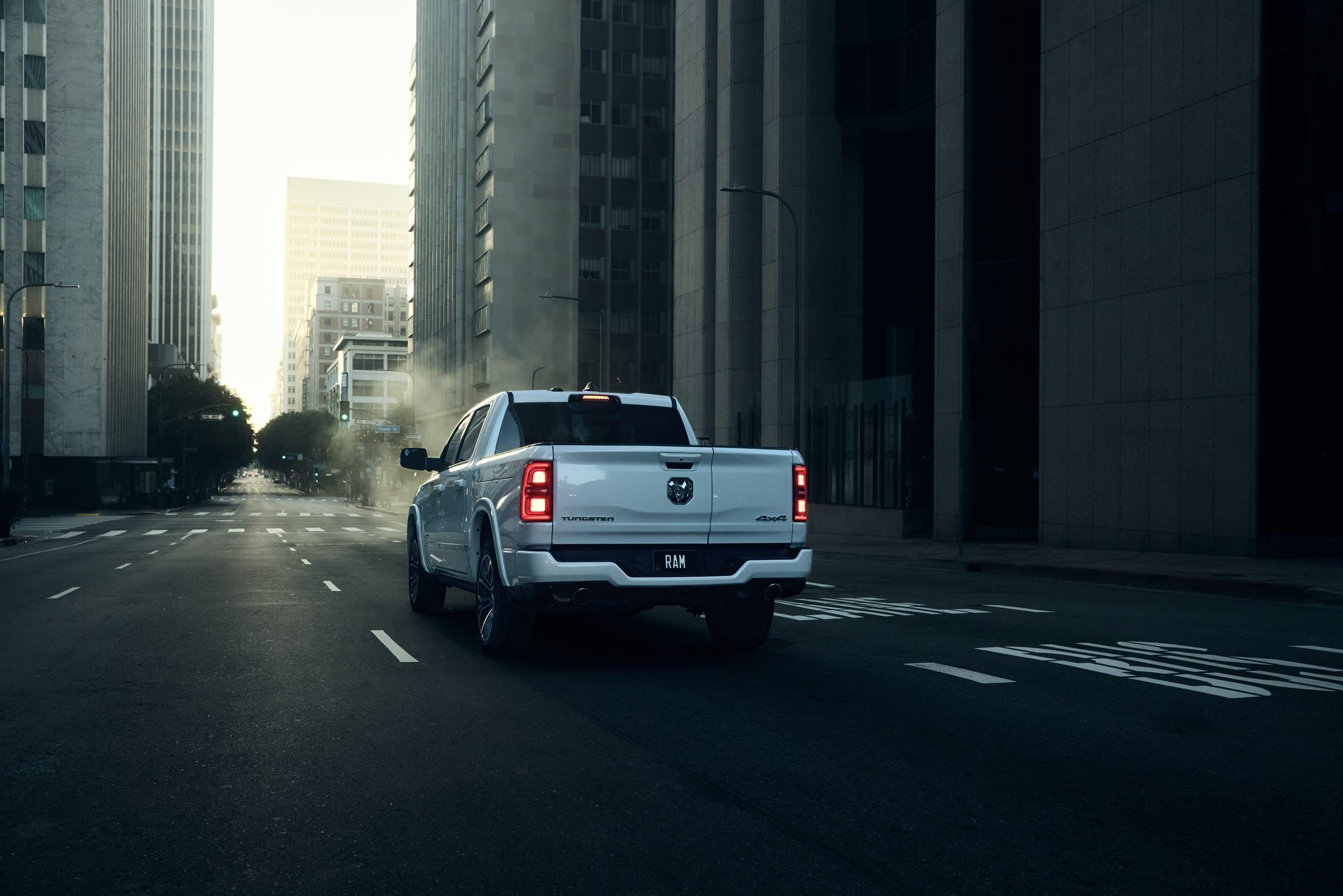
For a lot of Great Lakes families, summer is a series of Friday afternoons. The boat is hitched, the cooler is loaded, and the plan is to beat traffic out of Detroit, Columbus or Indianapolis and reach a cottage on Torch Lake, Houghton Lake or Lake Charlevoix before dark. Others are launching on Lake Erie out of Port Clinton, Sandusky or the Monroe shoreline for walleye.
That routine puts real demands on a tow vehicle. This guide compares six Jeep, Dodge and Ram models on the numbers that matter for a pontoon or a fishing boat, using starting prices before destination as of November 2026. Ratings depend on engine, axle, cab and options, so treat every figure here as a ceiling and check the towing chart for the exact vehicle.
Start with the whole load, not just the boat
The first mistake is looking at the boat's listed weight and stopping there. The trailer, outboard, fuel, batteries, anchors, coolers and rods all sit on that hitch. A pontoon on a tandem-axle trailer weighs a lot more once it is loaded for the weekend.
Two ratings count. Towing capacity is the total trailer weight the vehicle can pull. Payload is what the vehicle can carry inside and on its own frame, and the trailer's tongue weight uses up part of it, along with every passenger and bag. A truck can have plenty of tow rating and still run short on payload with four adults aboard.
Weigh the loaded boat and trailer at a public scale if you can. Then leave some margin between that number and the rating. A boat that sits right at the limit feels fine on flat ground and much less fine on a downhill ramp.
How the six compare
| Model | Maximum tow rating | Payload | Tow package, starting price | Unloaded highway range estimate |
|---|---|---|---|---|
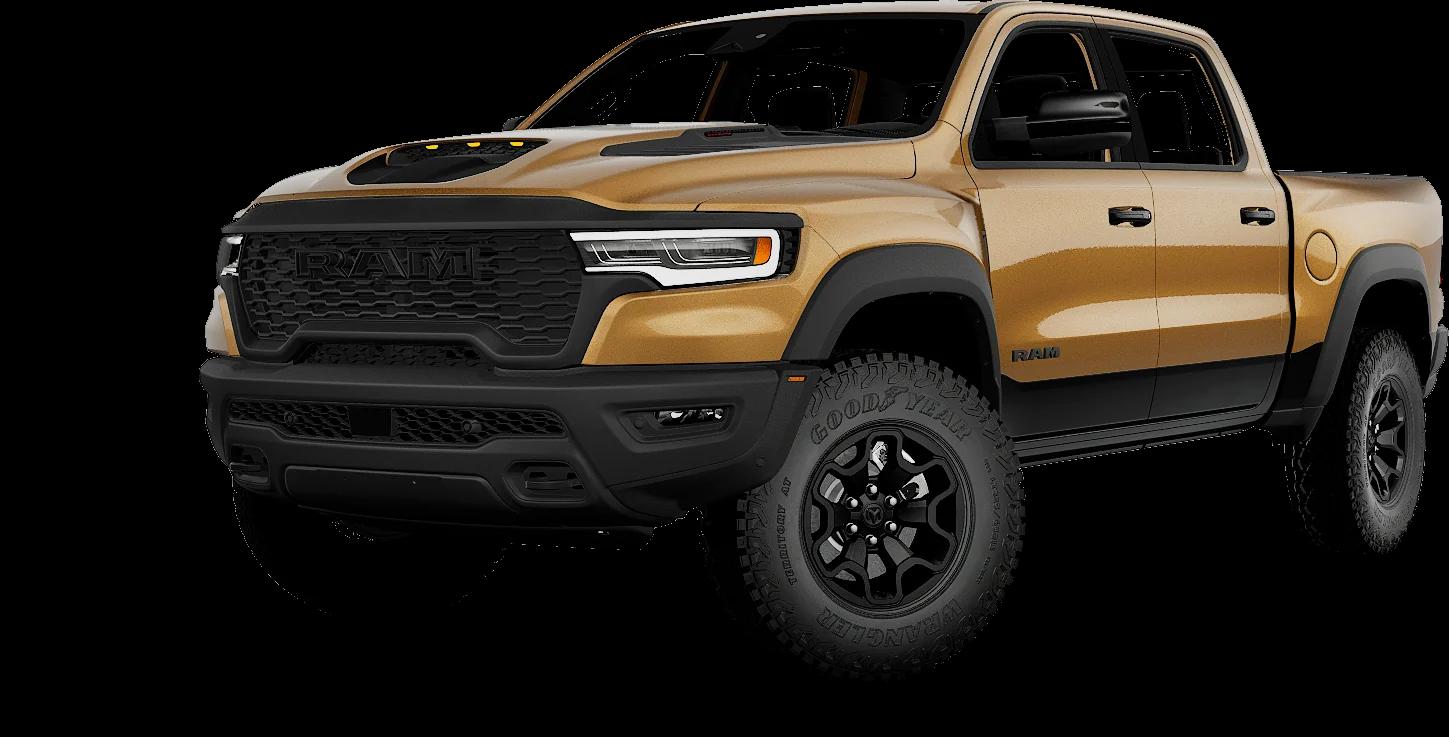
| Ram 1500 | 11,530 lbs (Hurricane six, 3.92 axle) | Up to 2,340 lbs (V6); 1,880 lbs with that Hurricane | Towing Technology Group $595; Trailer Tow Group II $1,095 | About 624 miles |
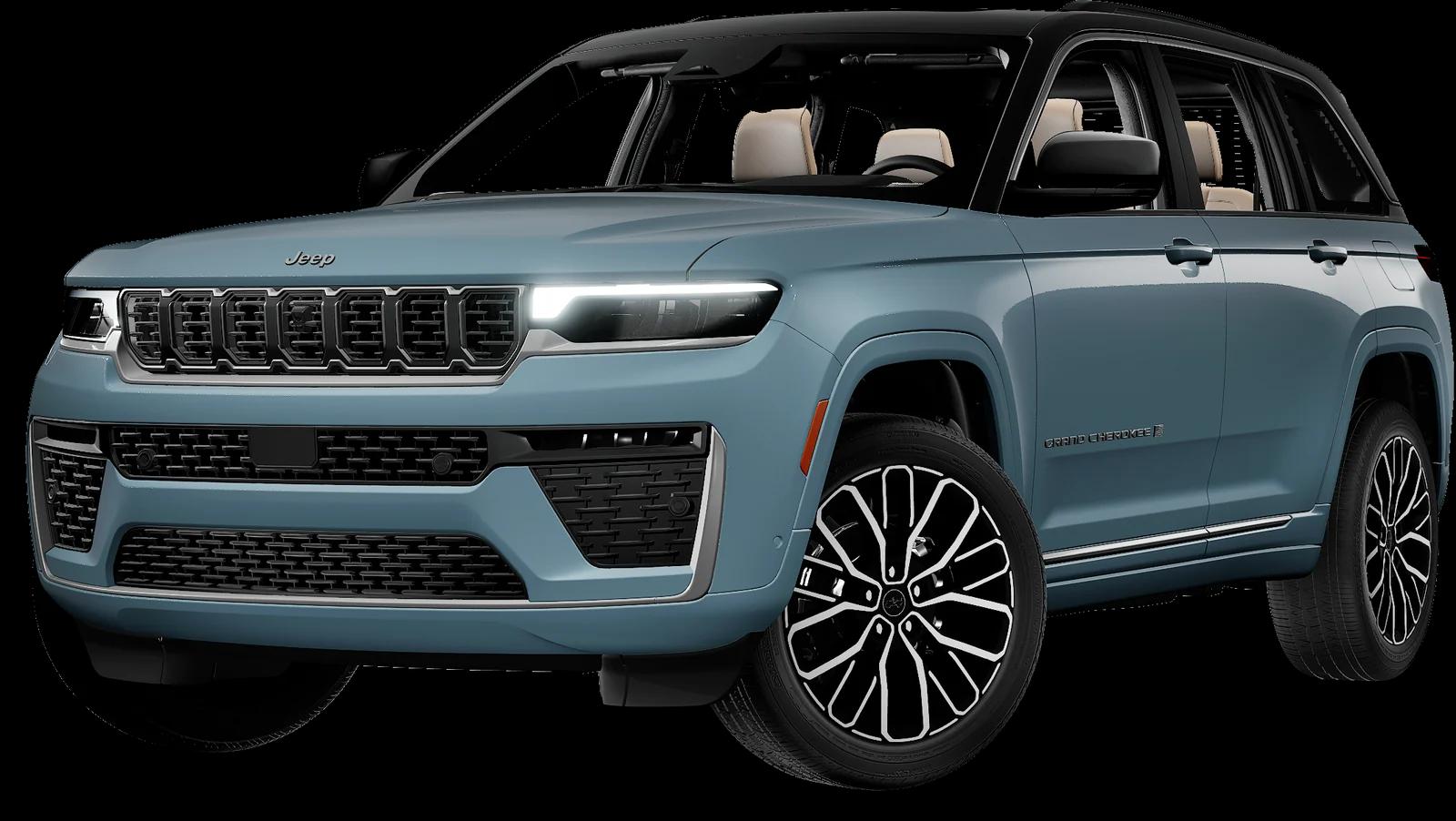
| Grand Cherokee | 6,200 lbs | Up to 1,280 lbs (two-row) | Trailer-Tow Package $995 | About 575 miles |
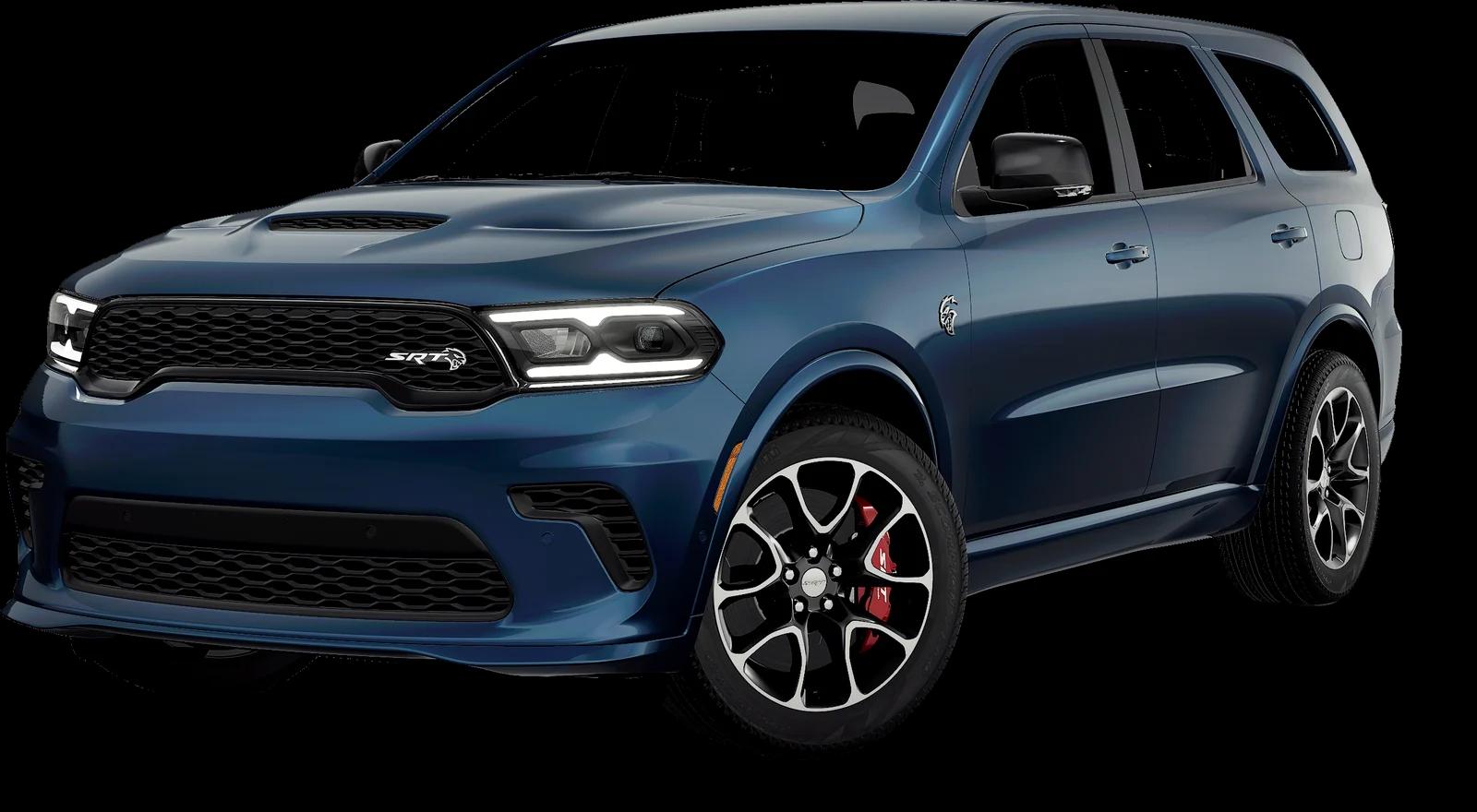
| Durango | 7,200 lbs; 8,700 lbs with Tow 'n Go | About 1,350 lbs (GT) | Tow 'n Go Package $6,295 | About 541 miles |
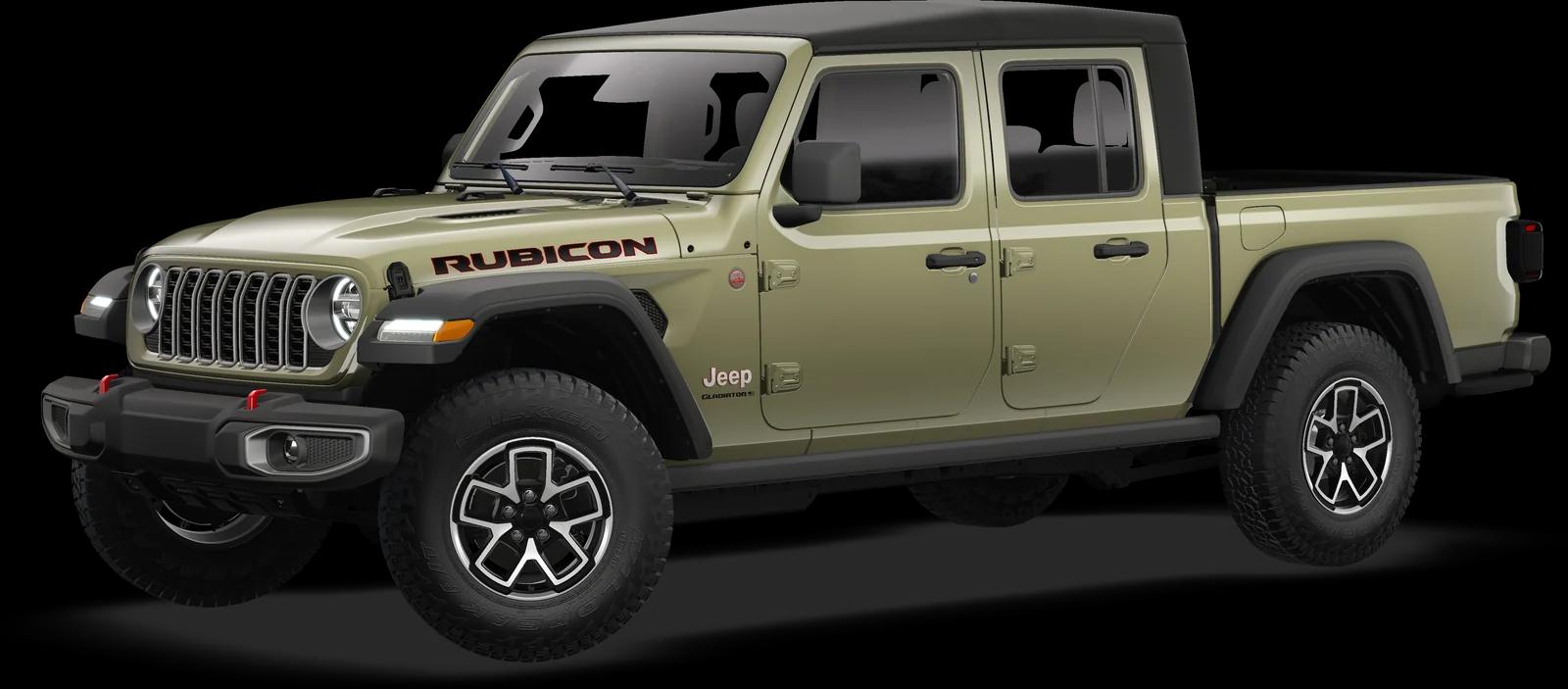
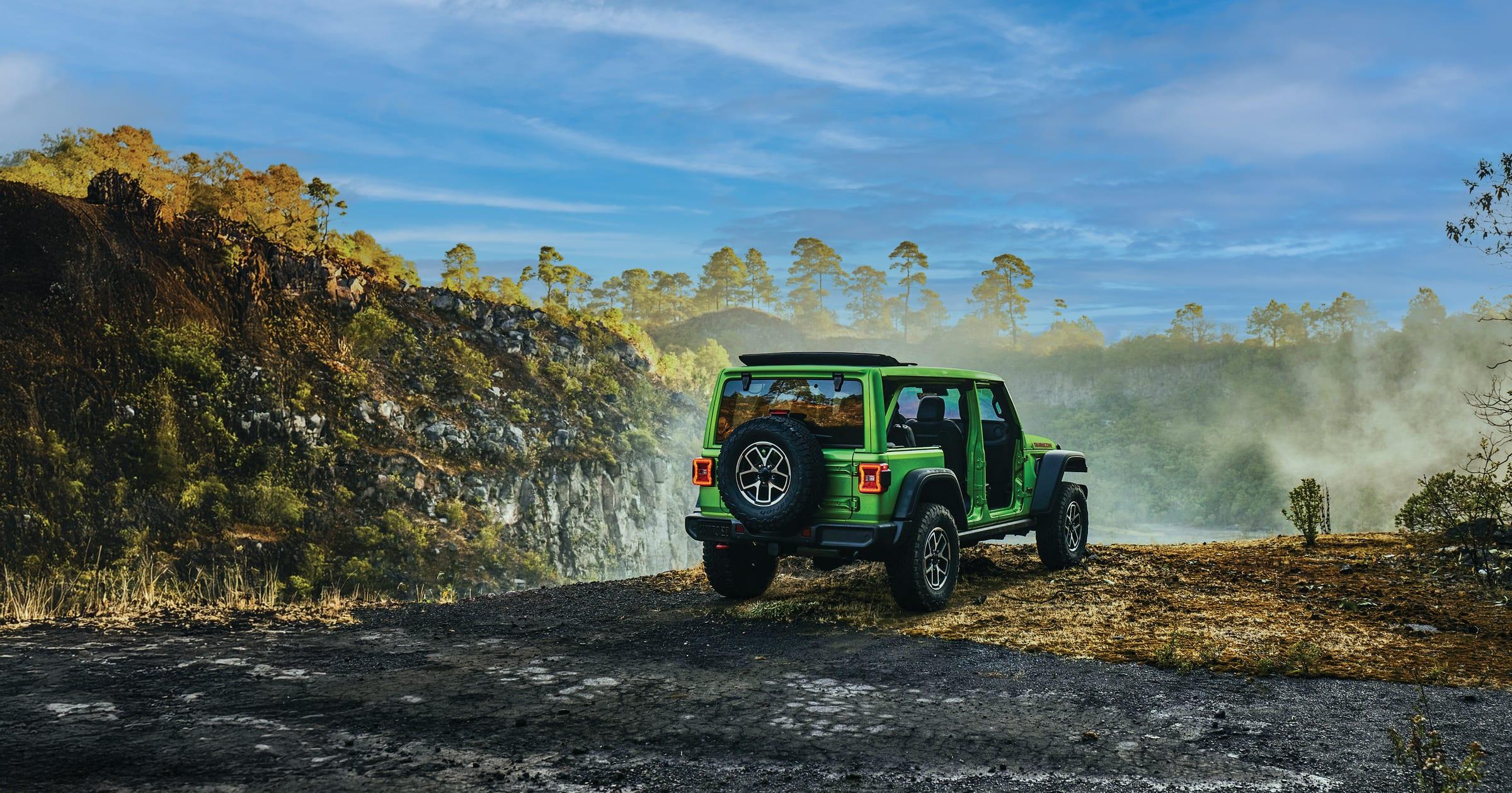
| Gladiator | Up to 7,700 lbs (Sport S, 4.10 axle) | Up to 1,720 lbs | Trailer Tow and Auxiliary Switch Group $995 | About 484 miles |
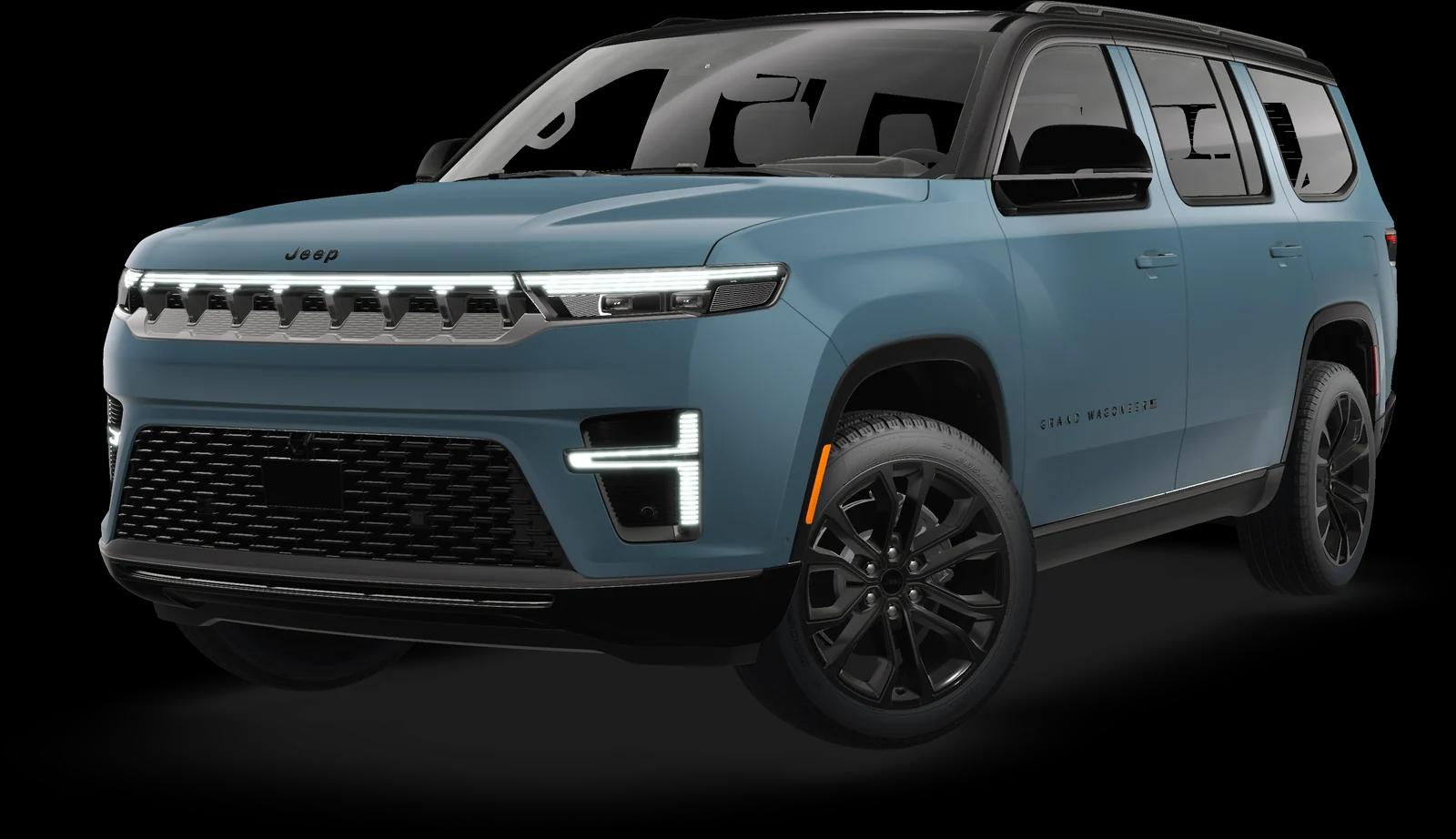
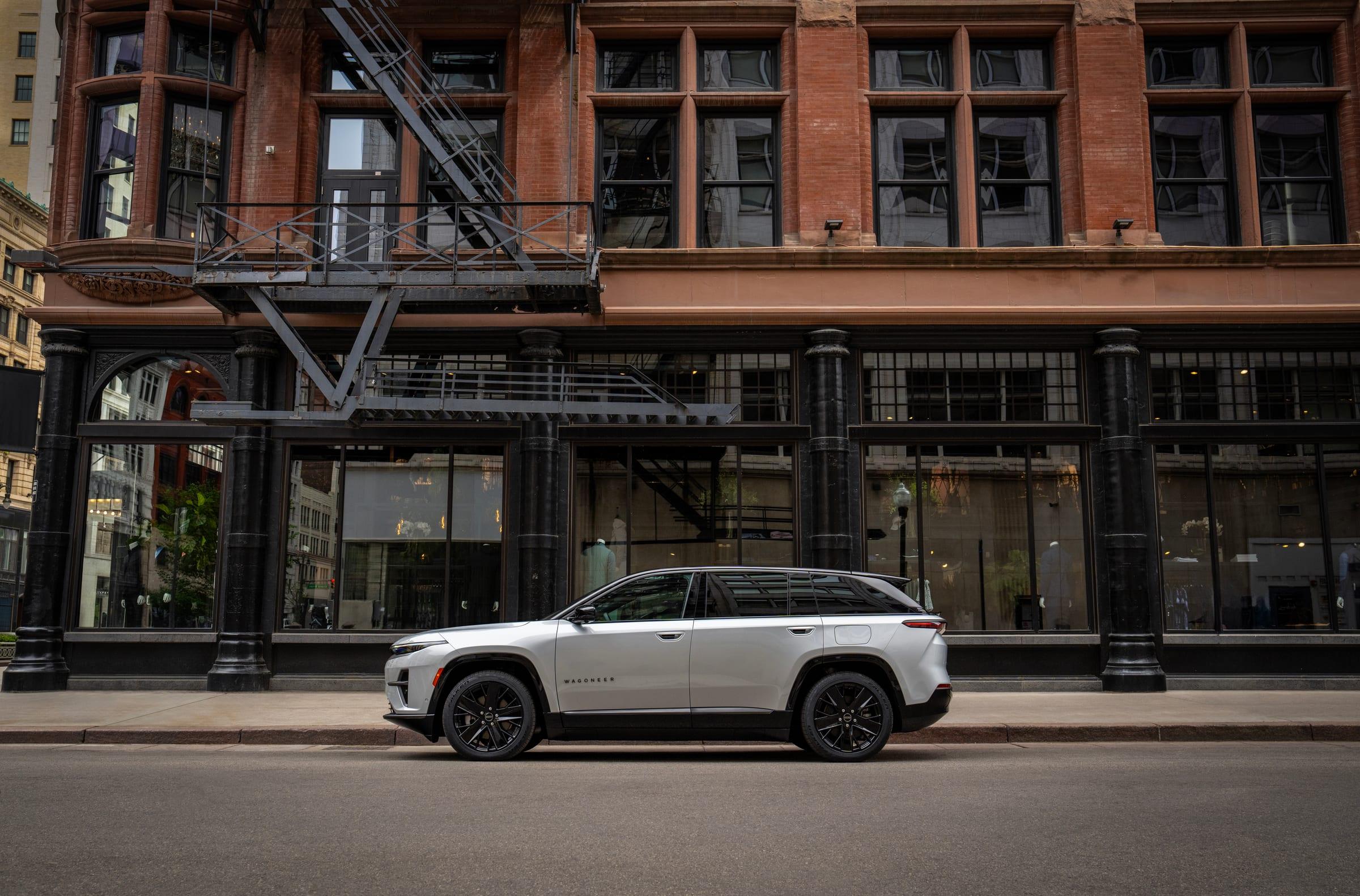
| Grand Wagoneer | Up to 10,000 lbs (4x4, 3.92 axle) | 1,300 lbs (estimated) | Heavy-Duty Trailer-Tow Package $1,195 base, $1,995 other trims | About 557 miles |
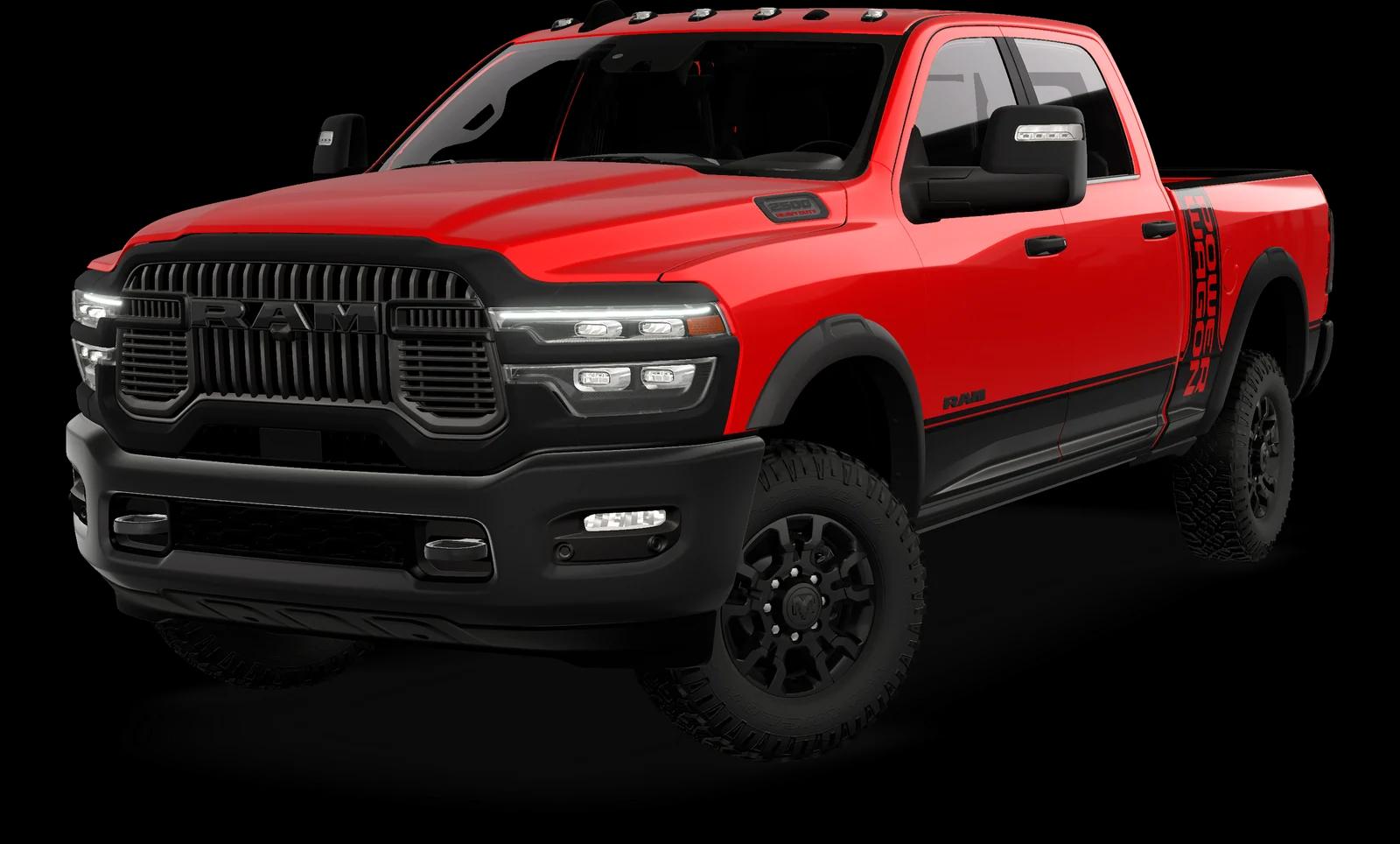
| Ram 2500 | 17,740 lbs (HEMI); 20,000 lbs (Cummins diesel) | Up to 4,580 lbs (HEMI with $835 upgrade) | Towing Technology Group $1,595 to $2,395 by trim | Not rated |
The range column is a rough estimate worked out by multiplying each vehicle's fuel tank by its EPA highway mpg: Ram 1500, 26 gallons at 24 mpg; Grand Cherokee, 23 gallons at 25; Durango, 24.6 gallons at 22; Gladiator, 22 gallons at 22; Grand Wagoneer, 26.5 gallons at 21. It describes empty highway driving. A loaded trailer cuts range sharply, so plan fuel stops well before the needle gets low. Ram does not publish EPA ratings for the 2500, though it quotes about 600 miles for the diesel Power Wagon with its 31-gallon tank.
Match the vehicle to the boat
Smaller fishing boats and aluminum pontoons fit the lighter end. A Grand Cherokee rated at 6,200 pounds or a Gladiator at up to 7,700 can handle a modest rig. Be careful with Gladiator trim: Jeep rates Rubicon at 7,000 pounds, Willys, Mojave and Rewind at 6,000, and Sahara at only 4,500.
Mid-size pontoons and walleye boats point toward the Durango or Ram 1500. The Durango's 5.7-liter HEMI V8 is rated for 7,200 pounds, and 8,700 pounds with Tow 'n Go. The Ram 1500's Hurricane twin-turbo six reaches 11,530 pounds, while the V6 tops out at 8,100.
Big lake boats and heavy pontoon trailers are where the Grand Wagoneer and Ram 2500 come in. Jeep lists up to 10,000 pounds with the 3.92 axle and 4x4, but only 6,030 pounds with the 3.55 axle, so the axle ratio matters. Ram's 2500 adds a lot of margin: 17,740 pounds with the 6.4-liter HEMI and 20,000 with the $12,495 Cummins diesel option.
Packages, brake controllers and sway control
The tow package is where the hardware is. Several of these are modest, and one is not.
The Grand Cherokee's $995 Trailer-Tow Package adds a Class IV receiver hitch, 4-pin and 7-pin wiring, heavy-duty cooling, rear load-leveling suspension and Trailer-Hitch Zoom. The Gladiator's $995 group is similar, with a Class IV hitch and heavy-duty engine cooling.
Dodge's Tow 'n Go costs $6,295 because it bundles far more, including a trailer brake controller, a Class IV hitch, Tow and Snow drive modes and blind spot monitoring with trailer detection. Jeep's Grand Wagoneer package lists trailer-brake control, a 2-speed transfer case and the 3.92 axle.
On the Ram 1500, the Trailer Tow Group II at $1,095 is the one that adds the brake controller, along with trailer reverse steering control, trailer tire pressure monitoring and a light check. The Towing Technology Group at $595 helps with hitching, through Trailer Hitch Line-Up Assist and Trailer Reverse Guidance.
A brake controller matters for a boat trailer with its own brakes. It lets the trailer share the stopping load, which you will feel on the first long downhill. Another thing to ask about is sway control. None of the package lists above names it, so ask a dealer to confirm what stability systems your exact vehicle includes before you buy.
Launching on steep or slick ramps
Ramps on inland lakes and Lake Erie vary. Some are gravel and shallow, some are concrete with algae near the waterline, and a few are steep enough that you notice them before the tires reach the water.
- Check the ramp before you commit. Walk it if you have not used it, and look for drop-offs at the end.
- Use the drive mode. The Durango has Tow, and Ram's Laramie lists Auto, Tow, Snow, Sport and Off-Road. Four-wheel drive is helpful when pulling a wet trailer back up a slick incline.
- Stay on the concrete. Chock the wheels, set the parking brake and keep the exhaust above the waterline. Heavy trailers backing downhill call for slow, small steering corrections.
- Let the hubs cool before you immerse them, and rinse brakes and the trailer afterward if you launched in muddy or weedy water.
Long I-75 runs and fuel
Driving north on I-75 or across Ohio takes hours before the lake comes into view. The highway is predictable, so the key variables are fuel stops and rest breaks. Fill up before you commit to a stretch, and remember that towing hurts economy more than anything else you do.
For a family heading to a cottage, use the table's range number as a starting point only. If you are pulling a loaded boat, assume you will stop earlier than you would empty. Check official state sources for trailer rules, and stay in the right lane when possible.
A short summary: for a light boat, a Grand Cherokee with the $995 package is a good value. For a pontoon, the Durango with Tow 'n Go or the Ram 1500 with Trailer Tow Group II fit. For a heavy rig, move to the Grand Wagoneer or the Ram 2500.